


 Native Ferns
 Native Mosses
 Native Perennials
 Native Ground Covers
 Native Trees
 Shop By Zone
 Flowering Groundcovers
 Evergreen Groundcovers
 Pollinators
 Shop Bloom Color
 Perennials By Zone
 Medicinal Herb Plants
 Spring Bulbs
 Trillium
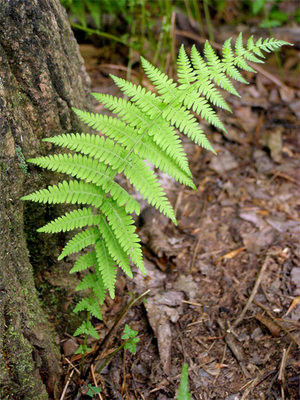 Ferns for Zone 3
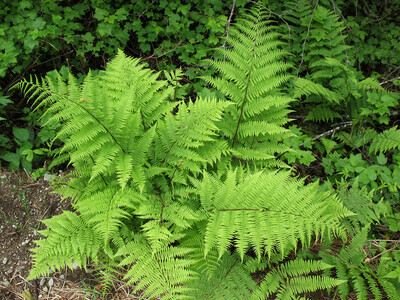 Ferns for Zone 4
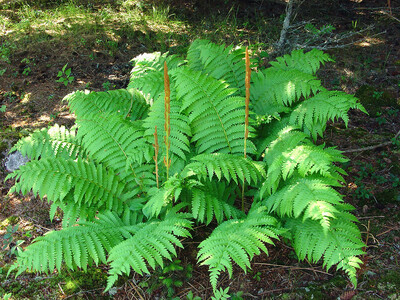 Ferns for Zone 5
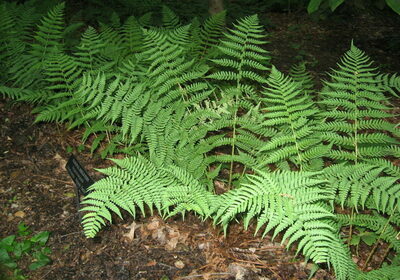 Ferns for Zone 6
 Ferns for Zone 7
 Ferns for Zone 8
 Christmas bows
 Fresh Wreaths
 Garlands
 Holiday Gift Trees
 Large Pine Cones
 Live Mistletoe
 Shop Trees By Zone
 Tree Seedlings
 Fast Growing Trees
 Pine Trees
 Live Stakes
 Evergreens
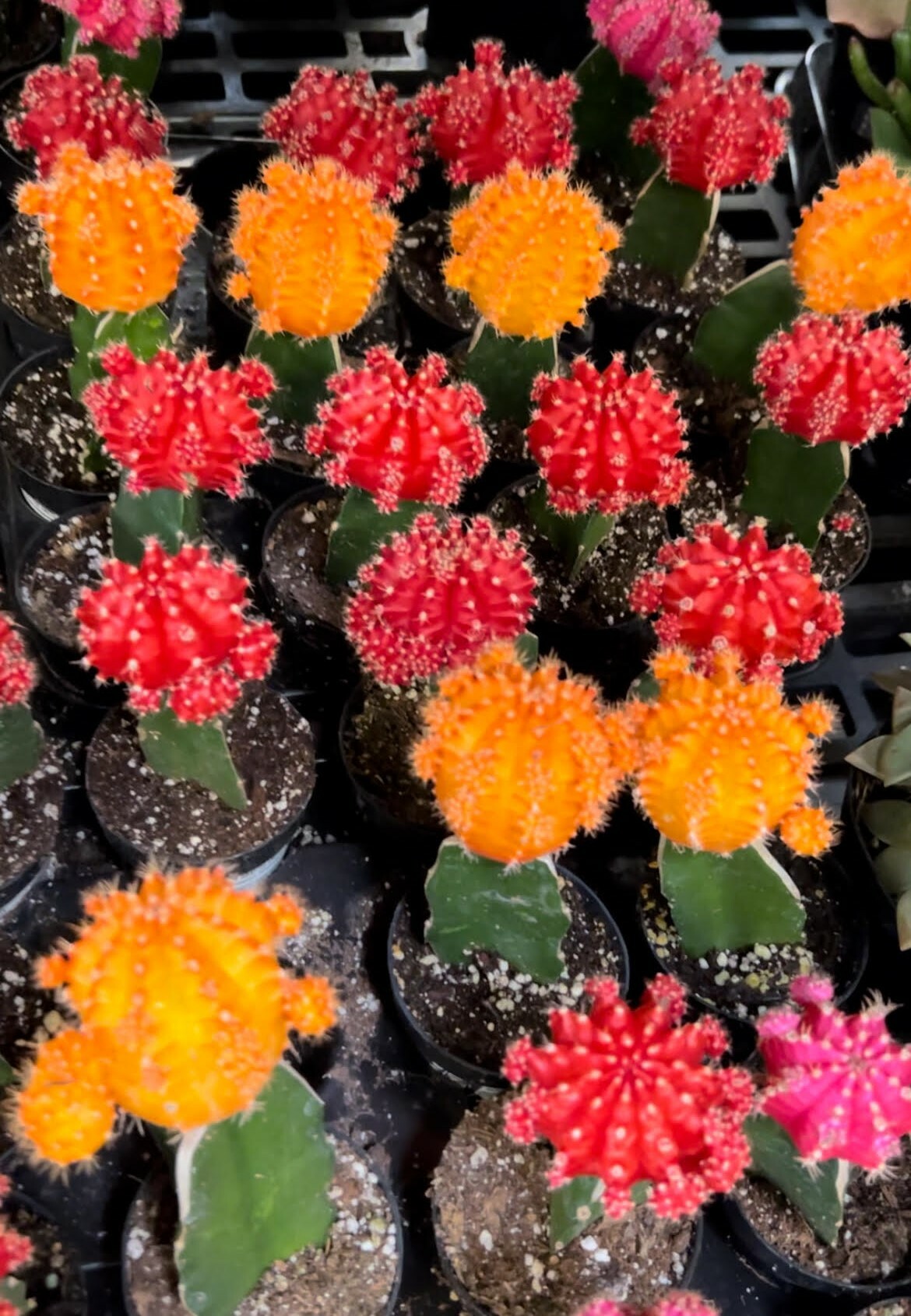 Cactus
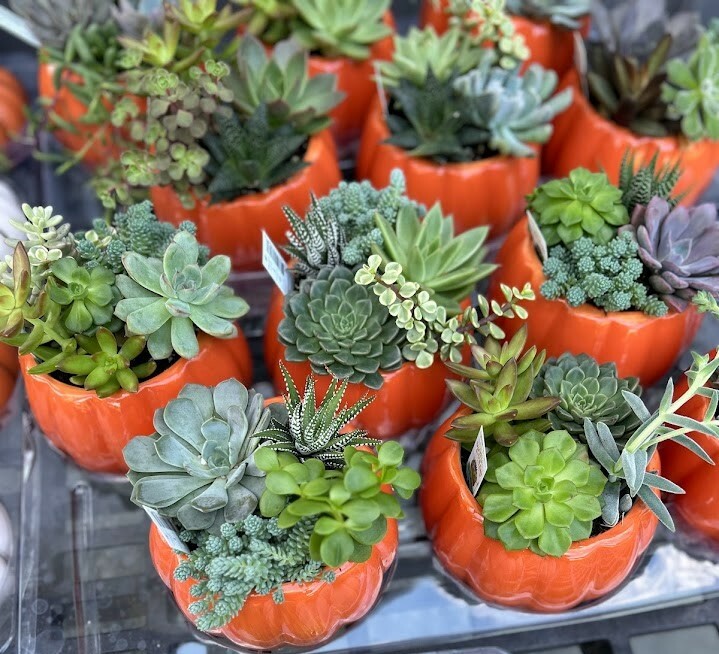 Combos
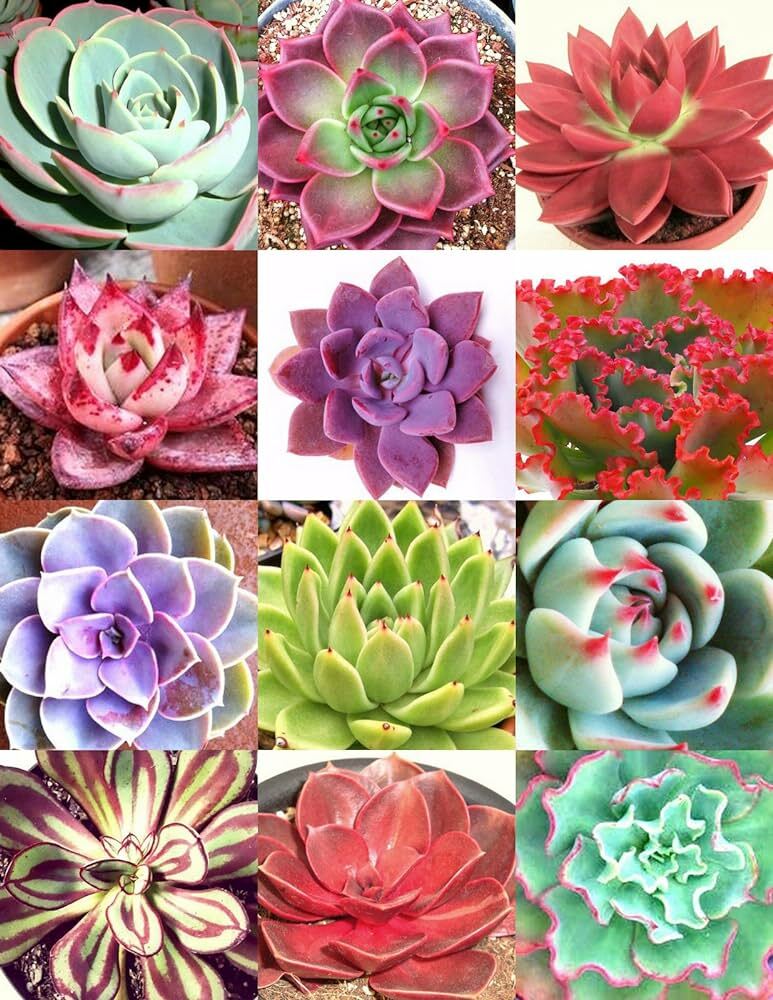 Echeveria
 Haworthia
 Sedum - Stonecrop

Getting your Winter garden ready for Spring
Dec 04, 2025
Spring arrives. It starts with a thrill of anticipation when the skies stop gray and the first bright day surprises you with balmy temperatures. You can hear your garden calling to get outside and get back into it. But before you roll up your sleeves and dig in, pause for a minute. Freshening up your garden beds for the spring is the best way to get started.
This is the time to assess your landscape and consider what needs attention before you jump into planting. With a little care and planning now, you’ll be rewarded with a lush, productive garden all summer long. So gather your tools, take a walk, and let’s take a look at what to do.
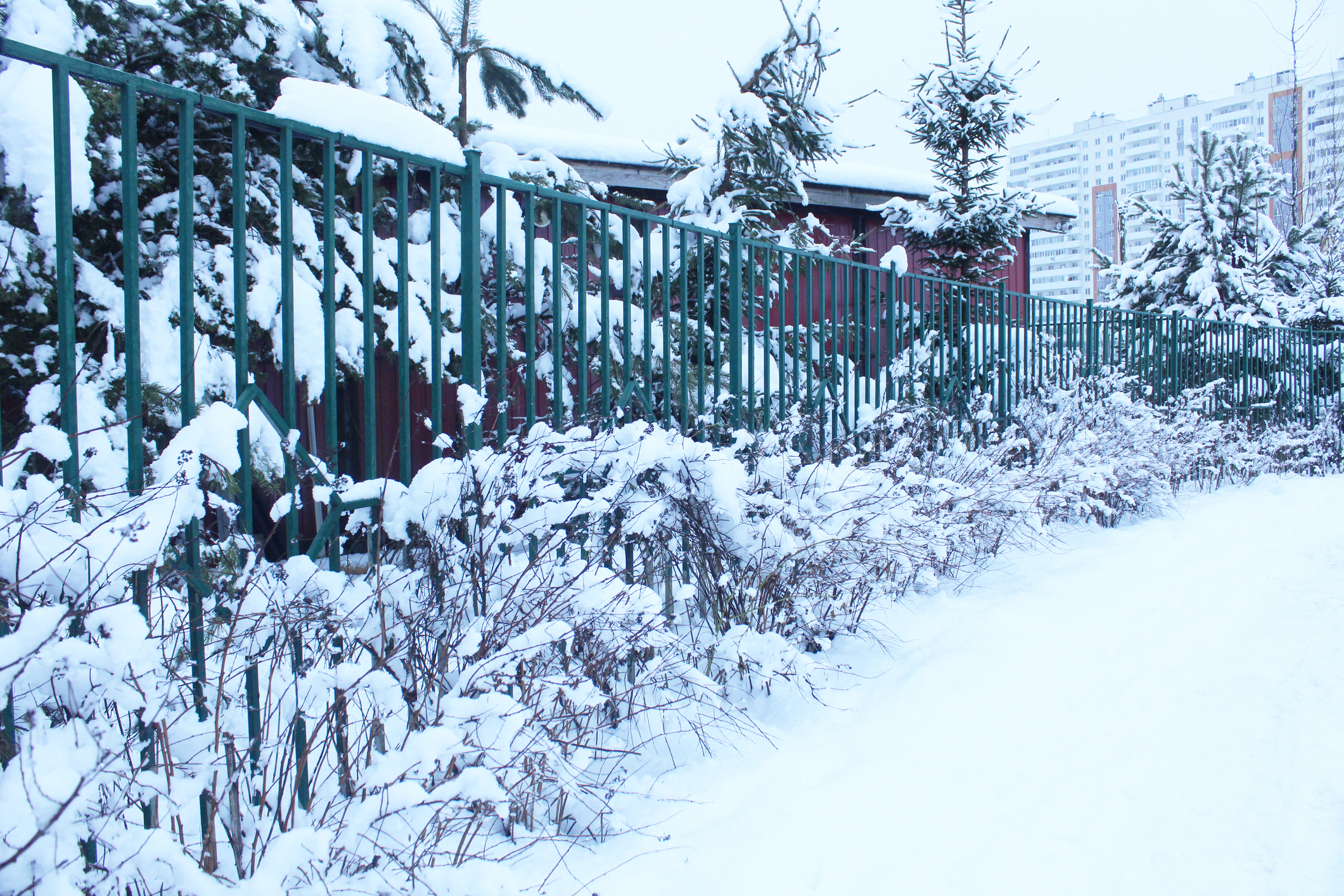
Irrigation hoses that you forgot were out all winter will surprise you.
Your landscape is not only your home’s outdoor living room, but a complex living system in constant transition. The plants you nurture are at the mercy of their environment and yours. But with a little love and knowledge, you can bend that world toward abundant growth and beauty. The first step is to walk through your beds and take a close look at their needs.
Get out your gloves, hat, and water-resistant notepad to jot down what you see. After a cold, gray winter, your garden probably needs a freshening up. Over the colder months, soil can become compacted and drained of nutrients. Beds that were bursting with plant growth can look sparse and unkempt. Leaves, broken twigs, and other garden debris have likely collected in corners and under bushes.
Perennials, especially, may be sending up dried stems that were covered with snow. These dormant stalks served an important purpose for your garden, as many insects used them for shelter through winter. If you rush in with clippers or a rake without some knowledge and care, you can disturb your garden’s natural cycles. Perennials and other plants need time to warm up and acclimate to the new season. Cutting back those old stems or raking leaves and debris will rob your garden of organic matter that can return nutrients and provide a protective mulch for bare soil.
Always take care of the soil.
Irrigation hoses that you forgot were out all winter will surprise you.
Your landscape is not only your home’s outdoor living room, but a complex living system in constant transition. The plants you nurture are at the mercy of their environment and yours. But with a little love and knowledge, you can bend that world toward abundant growth and beauty. The first step is to walk through your beds and take a close look at their needs.
Get out your gloves, hat, and water-resistant notepad to jot down what you see. After a cold, gray winter, your garden probably needs a freshening up. Over the colder months, soil can become compacted and drained of nutrients. Beds that were bursting with plant growth can look sparse and unkempt. Leaves, broken twigs, and other garden debris have likely collected in corners and under bushes.
Perennials, especially, may be sending up dried stems that were covered with snow. These dormant stalks served an important purpose for your garden, as many insects used them for shelter through winter. If you rush in with clippers or a rake without some knowledge and care, you can disturb your garden’s natural cycles. Perennials and other plants need time to warm up and acclimate to the new season. Cutting back those old stems or raking leaves and debris will rob your garden of organic matter that can return nutrients and provide a protective mulch for bare soil.
Always take care of the soil.
Healthy soil is the most important part of every garden bed. The complex structure of soil and its organic life support every plant that grows in your garden. Winter’s chill, snow, and ice can rob your garden soil of structure and oxygen. When plants are resting, it’s easy to neglect their soil’s health. Freshening up your garden for spring is the perfect time to add natural, organic amendments. Mix in compost, worm castings, leaf mold, or aged manure to give your soil a boost. Organic material has long-term benefits. As it slowly decomposes, it not only feeds the soil but also its beneficial microbes, insects, and other wildlife. These creatures create a healthy ecosystem that further supports your plants.
Mix in compost and other organic amendments.
Healthy soil is the most important part of every garden bed. The complex structure of soil and its organic life support every plant that grows in your garden. Winter’s chill, snow, and ice can rob your garden soil of structure and oxygen. When plants are resting, it’s easy to neglect their soil’s health. Freshening up your garden for spring is the perfect time to add natural, organic amendments. Mix in compost, worm castings, leaf mold, or aged manure to give your soil a boost. Organic material has long-term benefits. As it slowly decomposes, it not only feeds the soil but also its beneficial microbes, insects, and other wildlife. These creatures create a healthy ecosystem that further supports your plants.
Cover your soil with a layer of mulch.
Fresh mulch moderates soil temperature and retains moisture during hot, dry summers. It also suppresses weeds and can prevent erosion on slopes. As it decomposes, it will add nutrients to the soil below. Use an organic mulch such as shredded bark, straw, leaf mold, or compost. Wood chips are another good option, and you may find them available for free from local arborists or tree services.
Apply mulch about two inches deep, but keep it away from plant stems to prevent rot and encourage deep roots.
Clean your tools and bring them into use.
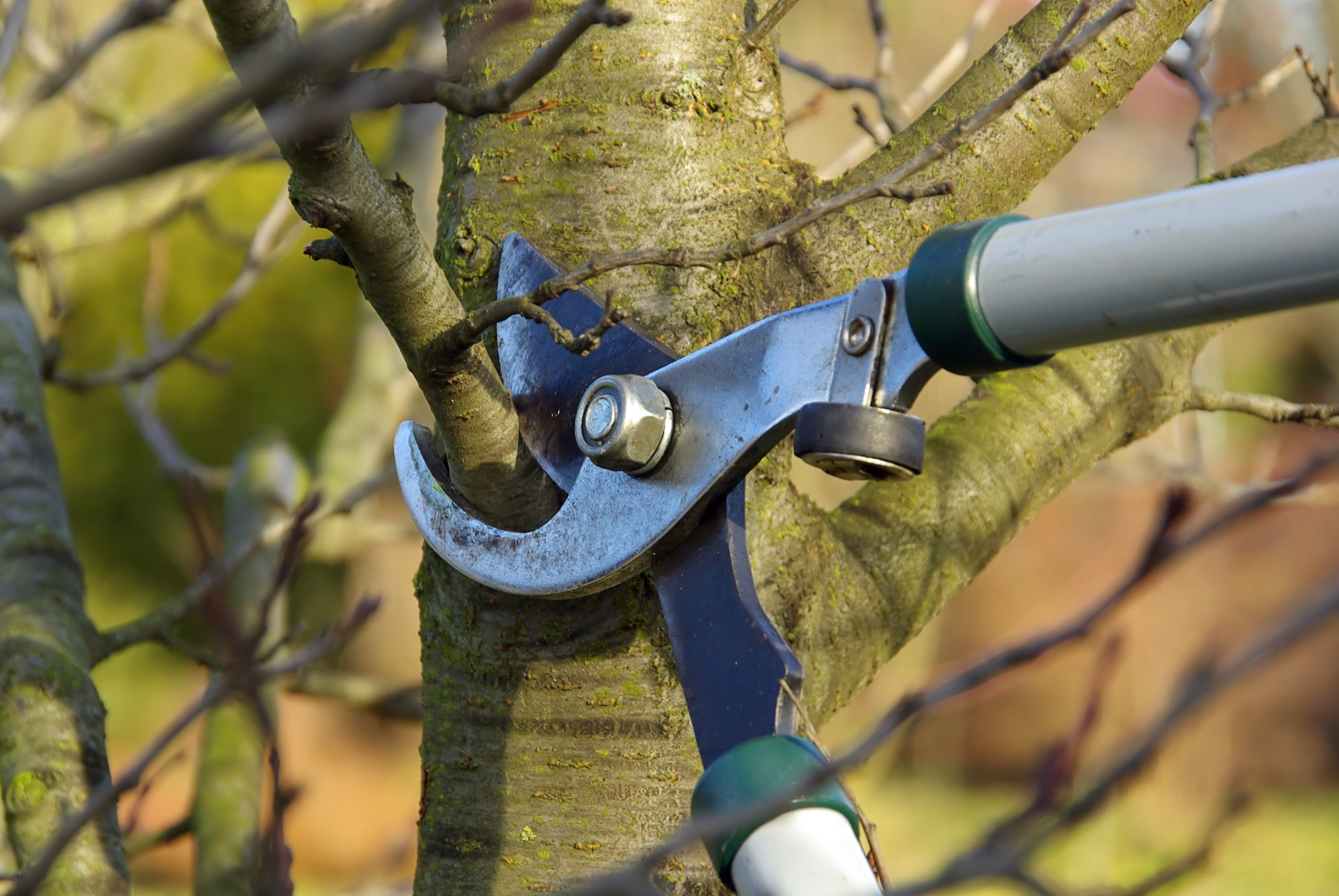
Tools that have spent the winter hibernating in the shed or garage need some care and cleaning before you use them. Wash off dirt and debris from shovels, trowels, pruners, clippers, and other hand tools. This will help prevent the spread of pests or diseases between garden beds. Check wooden handles for damage or cracks, as well as any metal parts for rust. Sharpen blades on shovels and pruning shears so they will work efficiently this season.
Lightly sharpen blades on shovels and pruning shears.
Finally, a good plan in place will set you up for success this spring and summer. Freshening up your garden is an excellent opportunity to make a plan for new plantings, add variety to your plant palette, and correct issues from last year. Work with the structure and conditions of your garden. Sunlight and shade, soil type, rainfall, and drainage will all influence your plant choices. Do some research or ask an expert at your local garden center for help if needed.
Draw a plan, mark it on the ground, and you’ll be sure to stay on track.
Walk through your beds, survey what’s there, and note what you want to plant or where. It’s a good time to clean out overgrown perennials or replace old shrubs with new varieties. Think about adding early-blooming bulbs, tough perennials, native wildflowers, or new shrubs to give your landscape renewed depth and interest. Plan for a succession of blooms to keep your garden beautiful from early spring until frost. Just like crop rotation in a vegetable garden, adding variety will enrich your plant palette and keep your landscape strong.

Sketch out your plan on paper and mark it out in your garden beds. This will keep you from making impulse buys that don’t fit your landscape’s conditions and location. You will also be able to compare the sizes of your current and planned plants and keep your beds full and interesting.
Check out that irrigation system.
Speaking of watering your garden, now is a great time to take stock of your irrigation system. Check hoses for leaks or damage, timers, sprinkler heads, and drip lines. Address any problems early and adjust your watering for the new season. Plants in your garden will need more water and nutrients as they wake up and resume growth. You may have to change the sprinkler patterns or add new stations to cover new beds.
Check hoses for leaks or damage, timers, sprinkler heads, and drip lines.
Spring is also a great time to refresh your outdoor spaces with garden décor and other updates. An inviting garden is an extension of your home’s living space. Bright pots, colorful cushions, whimsical garden art, and charming lighting all add appeal and extend the time you can spend outside. Consider adding new garden décor, refreshing pathways, or adding new raised beds or containers to your landscape.
The plants have one last task for you before the show begins. New season’s plantings, while they will add beauty and productivity to your landscape, also need your help. Whether you plant seeds or transplants, they will all need weeding, feeding, and some early pest control. Check that all new plantings have enough water to help them settle in. Observe them over the season to adjust for dry or shady areas and take notes on what to try next year.
Freshening up your garden beds is an essential ritual of spring. Every year, your garden beds go through a cycle of dormancy, growth, and harvest, then back again. The deep chill of winter and its beauty always feel like a surprise when spring arrives. It’s a season of renewal and excitement to get outside and dig in. But before the seeds and bulbs go in the ground, give your beds a little care and attention.
Getting your landscape ready for spring is a rewarding opportunity to evaluate your beds and make a plan. Once the soil is workable, amend it with fresh organic material to restore its health. Prepare for the season’s planting.