


 Native Ferns
 Native Mosses
 Native Perennials
 Native Ground Covers
 Native Trees
 Shop By Zone
 Flowering Groundcovers
 Evergreen Groundcovers
 Spring Ephemerals
 Pollinators
 Shop Bloom Color
 Perennials By Zone
 Medicinal Herb Plants
 Trillium
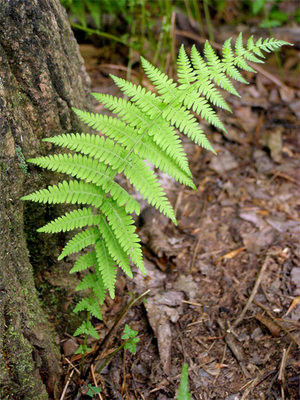 Ferns for Zone 3
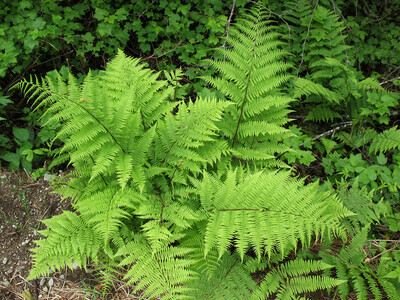 Ferns for Zone 4
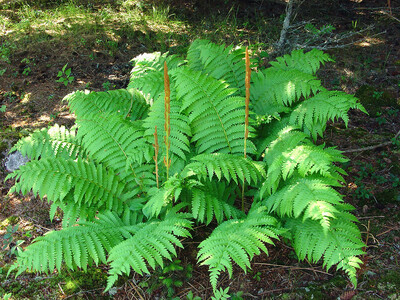 Ferns for Zone 5
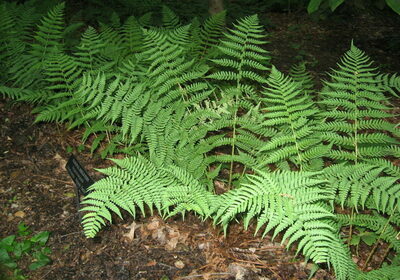 Ferns for Zone 6
 Ferns for Zone 7
 Ferns for Zone 8
 Christmas bows
 Fresh Wreaths
 Garlands
 Holiday Gift Trees
 Large Pine Cones
 Live Mistletoe
 Shop Trees By Zone
 Tree Seedlings
 Fast Growing Trees
 Pine Trees
 Evergreens


Product Description
Virginia Bluebells - Mertensia Virginica
The Virginia Bluebell is a favorite for Wildflower nurseries here in Tennessee. This flower blooms in early Spring. It has beautiful blueish-purple blooms. Depending on the soil type they can sometimes bloom pink. This flower is a shade lover but can tolerate small amounts of sun. Very easy to grow. The underground rhizomes also self-pollinate over a period making them perfect for flowerbeds. The Bluebell is very popular for developing in fields as their beauty is enjoyed by families and photographers alike. This perennial ships bare root.
Virginia Bluebells for Sale (Mertensia virginica)
Virginia Bluebells are a native North American wildflower that can be found growing in wet, precious woods, reaching heights of 18-24 inches tall.
It is best to plant these perennials in Fall or late Winter before they begin to bloom for the Early-Spring season. Transplanting while in full bloom is not recommended. There is no need to cut back or prune these flowers. Once planted and established this flower does all the work itself.
Homeowners have been using this plant for years. It does best when after being planted, for the gardener to leave undisturbed. It will colonize itself and will also go dormant for Winter (die-back) and return the following early Spring. Planting Daffodils in adjacent areas is a great idea, the contrast of colors looks fantastic. Photographers have highly sought after these two specific flowers for photographs for years. We do not think this technique will end anytime soon either!
Why Grow Virginia Bluebells?
✔ Easy to grow
✔ Long-lived perennials
✔ Perfect for woodland gardens
✔ Ideal for naturalizing large areas
Shop our other Spring Ephemerals
Here at Native Wildflowers Nursery, the Virginia Bluebell (Mertensia virginica) is personally our most favorite wildflower.
For four generations it has been well sought after for personal gardens. We love this flower so far it is planted all across our wood line. No matter how many times we have moved from home to home over the years, we always dig up our Bluebells and take them with us. Something this wonderful cannot be left behind.
Virginia Bluebells are the staple of early Spring gardens. They ship as bare root tubers. No growth or foliage at time of shipment.
FAQ
1. When is the best time to plant Virginia Bluebells?
A: Fall Planting (Preferred): Planting Virginia Bluebells in the fall, about 4-6 weeks before the first hard freeze, establishes the roots before winter. This gives the plant a head start and can focus on top growth when spring arrives.
Early Spring Planting: Early spring is the next best time if you miss the fall planting window. Aim to plant before the active growing season begins, typically in late winter to early spring. This allows the Virginia Bluebell time to establish itself before the hot summer months.
Remember that the timing can depend on your local climate and weather conditions. Always check the recommendations of local horticulturists or gardening resources for the most accurate information based on your region.
2. Will Virginia Bluebells spread?
A: Virginia bluebells (Mertensia virginica) are known for their ability to self-seed and naturalize in suitable conditions. However, their rate of spread can vary depending on factors such as soil, moisture, and overall growing conditions.
3. Are Virginia bluebells perennials?
A: Yes, Virginia bluebells (Mertensia virginica) are spring ephemerals & perennials. Perennials are plants that live for more than two years and typically bloom yearly. Virginia bluebells are known for their beautiful, bell-shaped blue flowers that appear early to mid-spring. After flowering, the foliage persists for some time before the plant dorms in late spring or early summer.
See Virginia Bluebell companion plants like Trillium
Growing Conditions for Virginia Bluebells
- Light: Partial shade to full shade
- Soil: Rich, moist, well-draining soil
- Bloom Time: Early to mid-spring
- Height: 1–2 feet
- Zones: 3–9
Buy Virginia Bluebells Online – Shipped Nationwide
? State Certified Nursery
⚡ Limited seasonal availability – these sell out quickly every spring

