


 Native Ferns
 Native Mosses
 Native Perennials
 Native Ground Covers
 Native Trees
 Shop By Zone
 Flowering Groundcovers
 Evergreen Groundcovers
 Spring Ephemerals
 Pollinators
 Shop Bloom Color
 Perennials By Zone
 Medicinal Herb Plants
 Trillium
 Ferns for Zone 3
 Ferns for Zone 4
 Ferns for Zone 5
 Ferns for Zone 6
 Ferns for Zone 7
 Ferns for Zone 8
 Christmas bows
 Fresh Wreaths
 Garlands
 Large Pine Cones
 Live Mistletoe
 Shop Trees By Zone
 Tree Seedlings
 Fast Growing Trees
 Pine Trees
 Evergreens
Bloodroot Companion Plants
Sep 03, 2026
Bloodroot Companion Plants: The Best Native Plants to Grow with Bloodroot
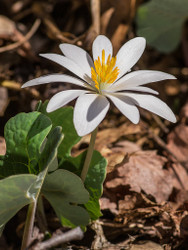
Bloodroot (Sanguinaria canadensis) is one of the first native wildflowers to bloom each spring. Its bright white flowers and large green leaves bring life to woodland gardens after a long winter. While Bloodroot is beautiful on its own, it looks even better when planted with other native woodland plants.
Choosing the right companion plants creates a natural-looking garden that changes with the seasons. As Bloodroot finishes blooming and goes dormant in early summer, other plants begin to grow and fill the space. This keeps your garden colorful and attractive for months.
If you're planning a shade garden, here are some of the best companion plants for Bloodroot.
Why Companion Plants Matter
In nature, Bloodroot rarely grows by itself. It shares the forest floor with many other native wildflowers, ferns, and woodland perennials. These plants all thrive in similar growing conditions and work together to create healthy woodland ecosystems.
Planting Bloodroot with other native species offers several benefits:
- Creates a natural woodland appearance
- Extends the bloom season
- Provides food for pollinators throughout spring and summer
- Covers areas after Bloodroot goes dormant
- Adds different colors, textures, and leaf shapes
- Supports birds, butterflies, bees, and other wildlife
The result is a garden that looks beautiful from early spring through fall.
What Growing Conditions Do Bloodroot Companion Plants Need?
Most companion plants for Bloodroot enjoy the same growing conditions.
Choose plants that prefer:
- Partial to full shade
- Rich soil with plenty of organic matter
- Moist but well-drained soil
- Cool woodland conditions
If a plant naturally grows in eastern forests, there is a good chance it will pair well with Bloodroot.
Best Companion Plants for Bloodroot
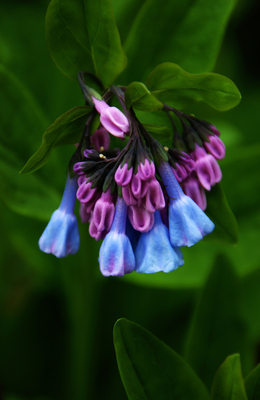
Virginia Bluebells
Virginia Bluebells are one of the best companions for Bloodroot.
Their clusters of blue flowers appear just as Bloodroot begins to finish blooming, creating a beautiful mix of white and blue in the woodland garden.
Both plants enjoy rich, moist soil and partial shade.
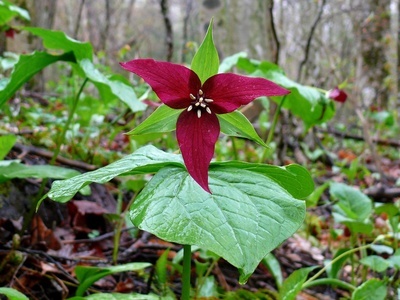
Great White Trillium
Great White Trillium is another early spring bloomer that grows naturally alongside Bloodroot in many forests.
Its large white flowers create an elegant woodland display, and the plants complement each other without competing for space.
Dutchman's Breeches
Dutchman's Breeches adds unique flowers that resemble tiny upside-down pants hanging from slender stems.
Its delicate foliage blends beautifully with Bloodroot's larger leaves, creating contrast in both texture and shape.
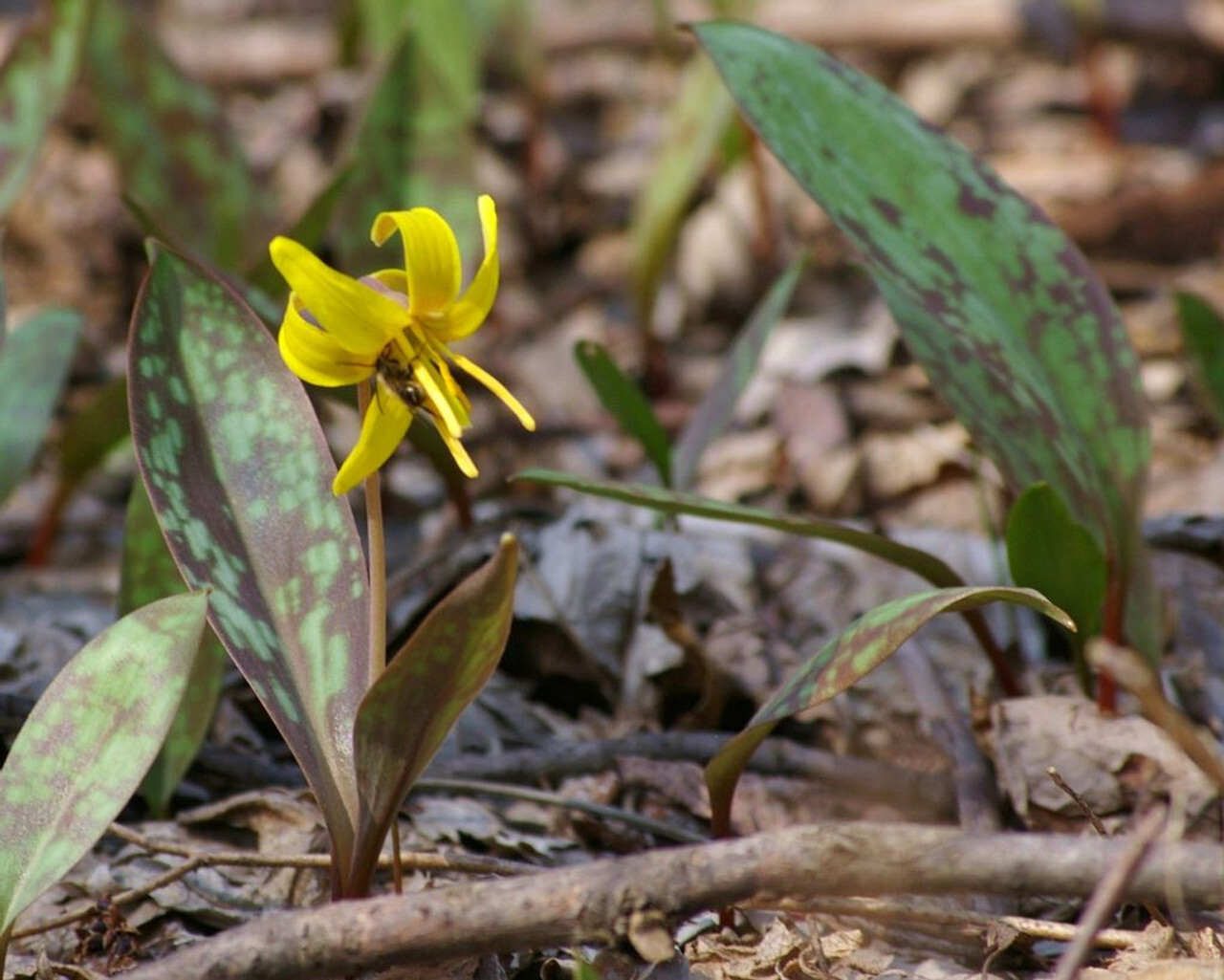
Trout Lily
Trout Lily blooms in early spring with cheerful yellow flowers.
Its mottled leaves remain attractive even after the flowers fade, helping fill the woodland garden while Bloodroot begins going dormant. Trout lily bloom in early to mid Spring.
Wild Ginger
Wild Ginger is one of the best native ground covers for woodland gardens.
Its heart-shaped leaves spread slowly beneath trees and fill empty spaces left behind after Bloodroot disappears for the summer.
Foamflower
Foamflower produces soft clusters of white flowers that bloom slightly later than Bloodroot.
Its attractive leaves provide season-long interest, making it an excellent companion plant.
Jack-in-the-Pulpit
Jack-in-the-Pulpit adds height and a unique shape to woodland gardens.
Its unusual hooded flower provides a completely different look while enjoying the same growing conditions as Bloodroot.
Christmas Fern
Christmas Fern stays green throughout much of the year.
Its evergreen fronds provide texture and color before Bloodroot emerges in spring and continue looking beautiful after Bloodroot becomes dormant.
Solomon's Seal
Solomon's Seal grows taller than Bloodroot and produces graceful arching stems with hanging white flowers.
Its height adds another layer to woodland garden designs while helping fill the space later in the growing season.
Coral Bells
Native Coral Bells add colorful foliage that lasts throughout the growing season.
Their attractive leaves continue providing interest long after Bloodroot has disappeared beneath the soil.
Designing a Woodland Garden with Bloodroot
The best woodland gardens contain plants that bloom at different times.
Bloodroot begins the show in early spring.
As Bloodroot finishes blooming, Virginia Bluebells, Trillium, Dutchman's Breeches, and Trout Lily continue adding color.
Later in the season, Christmas Fern, Solomon's Seal, Foamflower, Wild Ginger, and Coral Bells keep the garden looking full and healthy.
This layered approach creates a landscape that changes naturally throughout the year.
Plants to Avoid
Bloodroot grows best when it is not crowded by aggressive plants.
Avoid planting it near fast-spreading ground covers or invasive species that may compete for water, nutrients, and space.
Large shrubs with shallow roots may also make it harder for Bloodroot to become established.
Choosing other native woodland plants is usually the safest option.
Caring for Bloodroot and Its Companion Plants
Fortunately, most woodland plants require similar care.
Water new plants regularly during their first growing season.
Apply compost or shredded leaves each fall to improve the soil naturally.
Leave the fallen leaves in place whenever possible. They help protect the roots, hold moisture, and return nutrients to the soil as they break down.
Once established, most native woodland plants need very little maintenance.
Frequently Asked Questions
Can Bloodroot be planted with Trillium?
Yes. Bloodroot and Trillium naturally grow together in many eastern forests and make excellent companion plants.
Does Bloodroot grow well with ferns?
Absolutely. Christmas Fern, Marginal Wood Fern, and Lady Fern all grow well alongside Bloodroot and provide greenery after it goes dormant.
What ground cover grows with Bloodroot?
Wild Ginger and Foamflower are two of the best native ground covers to plant with Bloodroot.
Why does Bloodroot disappear?
Bloodroot is a spring ephemeral. After blooming, it naturally goes dormant in early summer and returns the following spring.
Should I plant several Bloodroot plants together?
Yes. Bloodroot looks best when planted in small groups. Over time, the plants slowly spread into beautiful colonies.
Final Thoughts
Bloodroot is even more beautiful when it grows alongside other native woodland plants. By choosing companion plants that bloom at different times and share the same growing conditions, you can create a woodland garden filled with color from early spring through fall.
Virginia Bluebells, Great White Trillium, Dutchman's Breeches, Trout Lily, Wild Ginger, Christmas Fern, Foamflower, Solomon's Seal, and Jack-in-the-Pulpit all make excellent companions for Bloodroot. Together, these native plants create a healthy, low-maintenance landscape that supports pollinators, birds, and other wildlife while bringing the beauty of Tennessee's forests into your own backyard.