

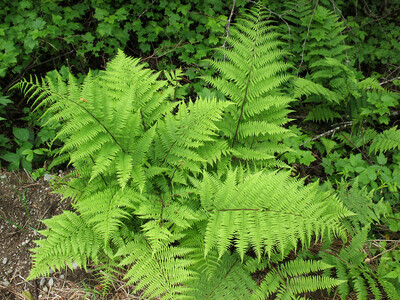
 Native Ferns
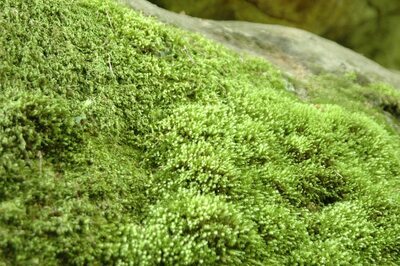 Native Mosses
 Native Perennials
 Native Ground Covers
 Native Trees
 Shop By Zone
 Flowering Groundcovers
 Evergreen Groundcovers
 Spring Ephemerals
 Pollinators
 Shop Bloom Color
 Perennials By Zone
 Medicinal Herb Plants
 Trillium
 Ferns for Zone 3
 Ferns for Zone 4
 Ferns for Zone 5
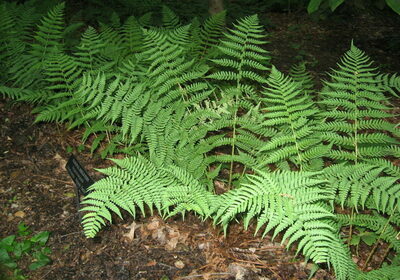 Ferns for Zone 6
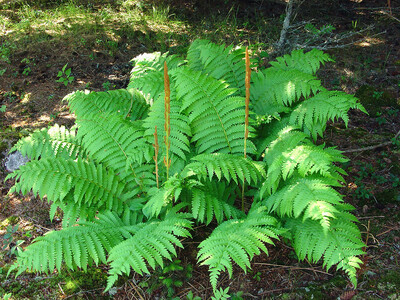 Ferns for Zone 7
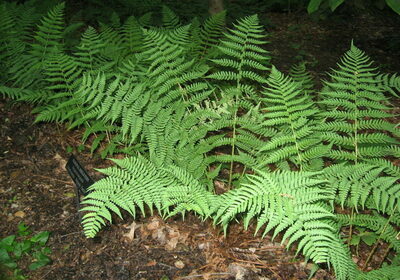 Ferns for Zone 8
 Christmas bows
 Fresh Wreaths
 Garlands
 Large Pine Cones
 Live Mistletoe
 Shop Trees By Zone
 Tree Seedlings
 Fast Growing Trees
 Pine Trees
 Evergreens
Best Native Plants for Zone 7
Jul 23, 2026
Best Native Plants for Zone 7: Beautiful Native Plants That Thrive Year After Year
If you live in USDA Hardiness Zone 7, you have an excellent climate for growing a wide variety of native plants. With mild winters, warm summers, and a long growing season, Zone 7 supports hundreds of beautiful wildflowers, ferns, shrubs, and trees.
Native plants are one of the best choices for Zone 7 gardens because they have naturally adapted to local weather and growing conditions. Once established, many require less water, less fertilizer, and less maintenance than non-native plants. They also provide food and shelter for birds, butterflies, bees, and other wildlife.
Whether you want to create a colorful flower garden, a peaceful woodland landscape, or a pollinator-friendly yard, there are native plants that will thrive in Zone 7.
What Is USDA Zone 7?
The USDA Hardiness Zone Map divides North America into growing zones based on average winter temperatures.
Zone 7 has average winter low temperatures between 0°F and 10°F (-18°C to -12°C).
Many areas of Tennessee, Kentucky, North Carolina, Virginia, Arkansas, Missouri, Oklahoma, and other states fall within Zone 7.
Because the growing season is fairly long, gardeners have many excellent native plant choices.
Why Choose Native Plants?
Native plants have been growing in North America for thousands of years.
They are naturally adapted to local rainfall, soil, insects, and wildlife.
Native plants also:
- Return every year
- Support bees, butterflies, and hummingbirds
- Provide food and shelter for birds
- Require less maintenance after they become established
- Often need less watering
- Help protect local ecosystems
Planting nativehttps://www.nativewildflowers.net/perennials-for-zone-7/ species is one of the easiest ways to create a healthier and more beautiful landscape.
Best Native Wildflowers for Zone 7
Bloodroot
Bloodroot is one of the first flowers to bloom in spring.
Its bright white flowers appear before most trees have leafed out, making it one of the earliest signs of spring.
Bloodroot grows best in woodland gardens with partial to full shade.
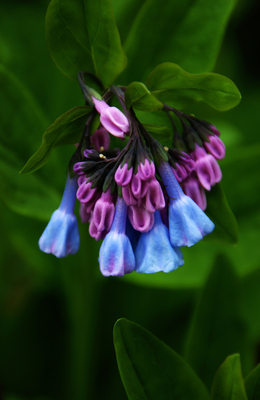
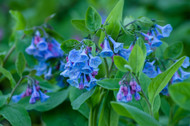
Virginia Bluebells
Virginia Bluebells produce clusters of beautiful blue flowers that attract bees and other early pollinators.
They thrive in rich woodland soil and return every spring.
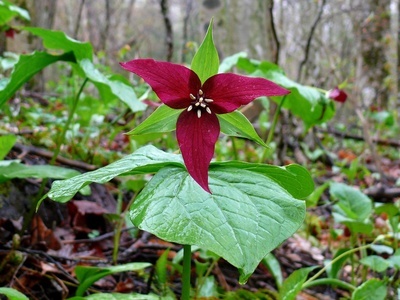
Great White Trillium
Great White Trillium is one of the most popular native woodland flowers.
Its large white blooms slowly turn pink as they age, creating an elegant spring display.
Purple Coneflower
Purple Coneflower blooms throughout the summer and attracts butterflies, bees, and songbirds.
It grows well in full sun and is one of the best native flowers to grow.
Black-Eyed Susan
Black-Eyed Susan adds cheerful yellow flowers from summer into fall.
It tolerates heat well and attracts many beneficial pollinators.
Butterfly Weed
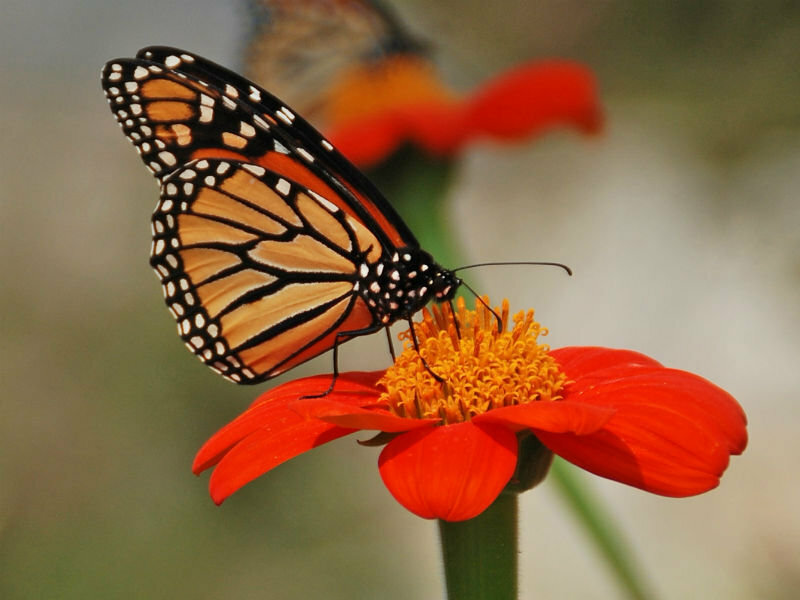
Butterfly Weed produces bright orange flowers that are highly attractive to monarch butterflies and many other pollinators.
It performs best in sunny locations with well-drained soil.
Cardinal Flower
Cardinal Flower is known for its brilliant red blooms that hummingbirds love.
It grows best in moist soil with partial sun.
Best Native Ferns for Zone 7
Native ferns are excellent choices for shady landscapes.
Some of the best include:
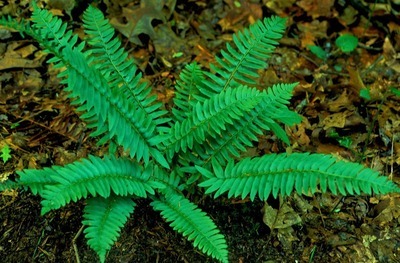
Christmas Fern
Christmas Fern stays green through much of the winter and is one of the easiest native ferns to grow.
Best Native Shrubs for Zone 7
Native shrubs add flowers, berries, and year-round interest.
Some excellent choices are:
- Oakleaf Hydrangea
- Spicebush
- Witch Hazel
- Arrowwood Viburnum
- Buttonbush
Many also provide important food sources for wildlife.
Best Native Plants for Pollinators
If your goal is to help pollinators, include flowers that bloom throughout the growing season.
Excellent pollinator plants include:
- Bloodroot
- Virginia Bluebells
- Butterfly Weed
- Purple Coneflower
- Bee Balm
- Black-Eyed Susan
- Goldenrod
- Native Asters
Together, these plants provide nectar and pollen from early spring through late fall.
Best Native Plants for Shade
Many Zone 7 landscapes include mature trees.
These woodland natives thrive in shade:
- Bloodroot
- Great White Trillium
- Virginia Bluebells
- Christmas Fern
- Wild Ginger
- Foamflower
- Jack-in-the-Pulpit
- Solomon's Seal
These plants naturally grow together in eastern forests.
Tips for Growing Native Plants in Zone 7
Most native plants are easy to grow when planted in the right location.
For the best success:
- Match plants to the amount of sunlight they receive.
- Improve the soil with compost before planting.
- Water new plants during their first growing season.
- Add mulch to help hold moisture.
- Avoid over-fertilizing.
- Leave fallen leaves beneath woodland plants whenever possible.
These simple steps help plants establish strong root systems.
Frequently Asked Questions
Do native plants survive Zone 7 winters?
Yes. Native plants are naturally adapted to the climate and return every year when planted in suitable growing conditions.
Can native plants grow in clay soil?
Many native species grow well in clay soil, especially when organic matter is added to improve drainage.
Are native plants good for pollinators?
Absolutely. Native flowers provide nectar, pollen, and host plants that bees, butterflies, hummingbirds, and other pollinators depend on.
Do native plants require a lot of maintenance?
No. Once established, most native plants require much less care than many non-native ornamentals.
Zone 7 offers excellent growing conditions for a wide variety of native plants. Whether you prefer colorful wildflowers, graceful ferns, flowering trees, or woodland ground covers, there are native species that will thrive in your landscape.
By planting native flowers like Bloodroot, Virginia Bluebells, Purple Coneflower, and Butterfly Weed, along with native ferns, trees, and shrubs, you can create a beautiful garden that supports wildlife while requiring less maintenance.
A landscape filled with native plants is more than just beautiful. It helps pollinators, protects local ecosystems, and brings the natural beauty of your region into your own backyard. With the right plants, your Zone 7 garden will provide color, texture, and life through every season.