

 Native Ferns
 Native Mosses
 Native Perennials
 Native Ground Covers
 Native Trees
 Shop By Zone
 Flowering Groundcovers
 Evergreen Groundcovers
 Spring Ephemerals
 Pollinators
 Shop Bloom Color
 Perennials By Zone
 Medicinal Herb Plants
 Trillium
 Ferns for Zone 3
 Ferns for Zone 4
 Ferns for Zone 5
 Ferns for Zone 6
 Ferns for Zone 7
 Ferns for Zone 8
 Christmas bows
 Fresh Wreaths
 Garlands
 Holiday Gift Trees
 Large Pine Cones
 Live Mistletoe
 Shop Trees By Zone
 Tree Seedlings
 Fast Growing Trees
 Pine Trees
 Evergreens
Sassafras Tree: Native Trees Finest, Enduring Hardwood
Dec 10, 2025
What makes the Sassafras tree special?
The sassafras tree has a very distinctive look and personality. Botanically speaking, sassafras is Sassafras albidum, native across a large swath of eastern and central North America. The natural range of this species stretches from the Gulf Coast to New England and into the Midwest. In addition to its range, gardeners are always looking for trees that are both beautiful and easy to care for. The sassafras tree absolutely fits that bill, and it will take care of itself for years once it is established. For many gardeners, this is a major plus when choosing a tree for their landscape.
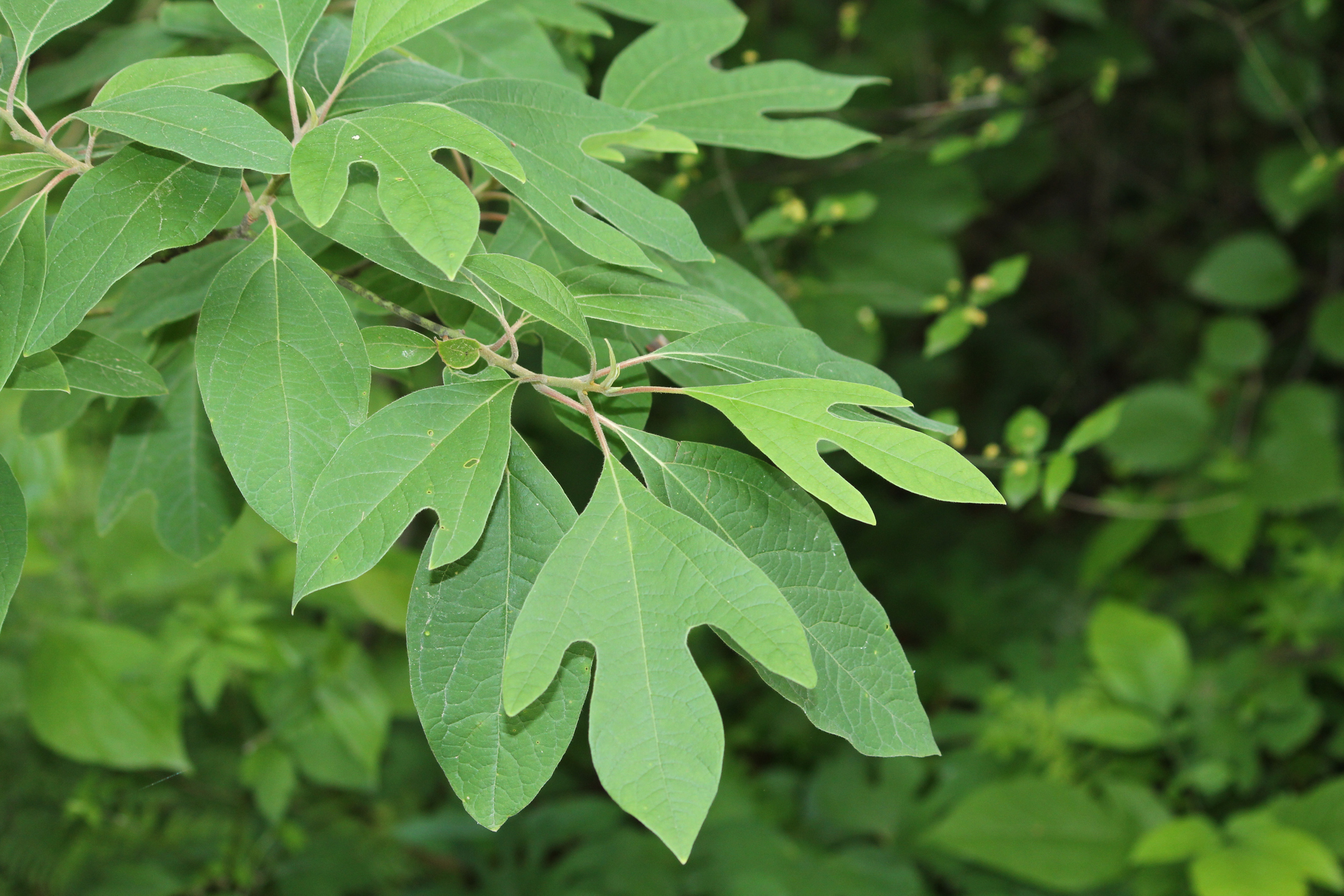
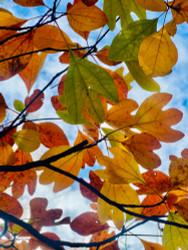
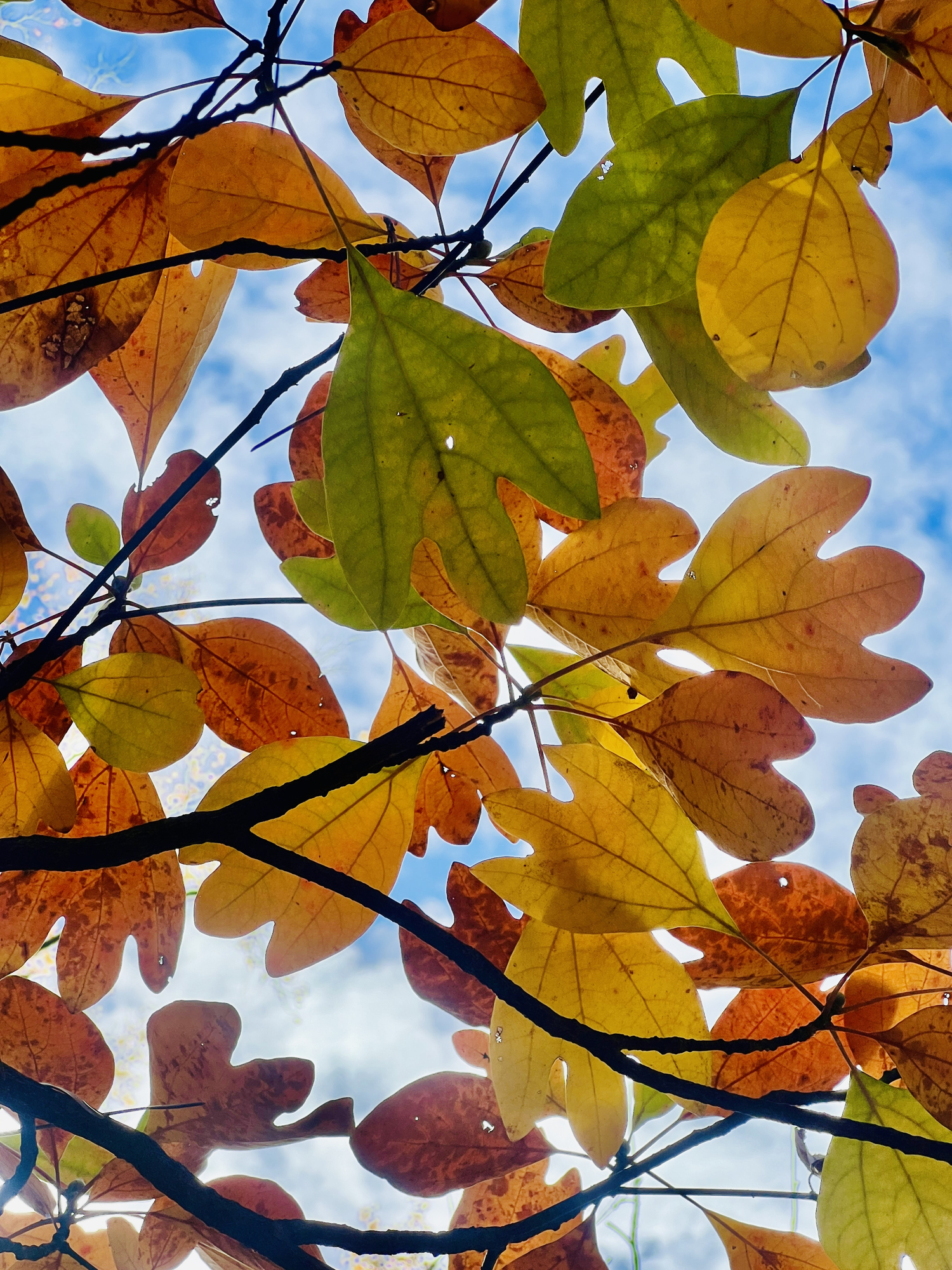
One of the first characteristics that a sassafras tree offers is its remarkable leaves. Where many trees have one type of leaf, the sassafras likes to mix it up a bit. For no apparent reason, a sassafras tree will often sport three different types of leaves all on the same branch. You may see simple oval leaves, two-lobed mitten leaves, or three-lobed leaves that resemble a rounded trident. The tree's varied leaves make it easily recognizable and add a touch of visual whimsy in each season. Once you have smelled a crushed leaf or twig between your fingers, you will never forget the spicy fragrance of sassafras. This scent has made sassafras part of old-time American history, from teas and tonics to cookery.
Is the Sassafras tree a strong native?
Sassafras trees are not only beautiful and fragrant, but also resilient and native, supporting local ecosystems and pollinators. They serve as host plants for butterfly species such as the spicebush and tiger swallowtail. Female trees produce deep-blue berries on red stems in late summer, which attract birds. By planting sassafras, you create benefits for yourself and local wildlife.
Sassafras trees are very adaptable to different conditions and are incredibly easy to grow, as long as you plant them in the right type of site. In general, sassafras trees thrive in well-draining soils. These trees do well in sandy or loamy soils, making them a great choice for gardeners with heavy clay soils or compacted areas of the property. While the tree will tolerate a variety of soil conditions, its happy medium is soil that stays moderately moist but not waterlogged. It is common to see sassafras trees growing in abundance along woodland edges and roadsides, as well as in open pastures and fields. This gives a good clue as to the adaptability and general forgiving nature of this species.
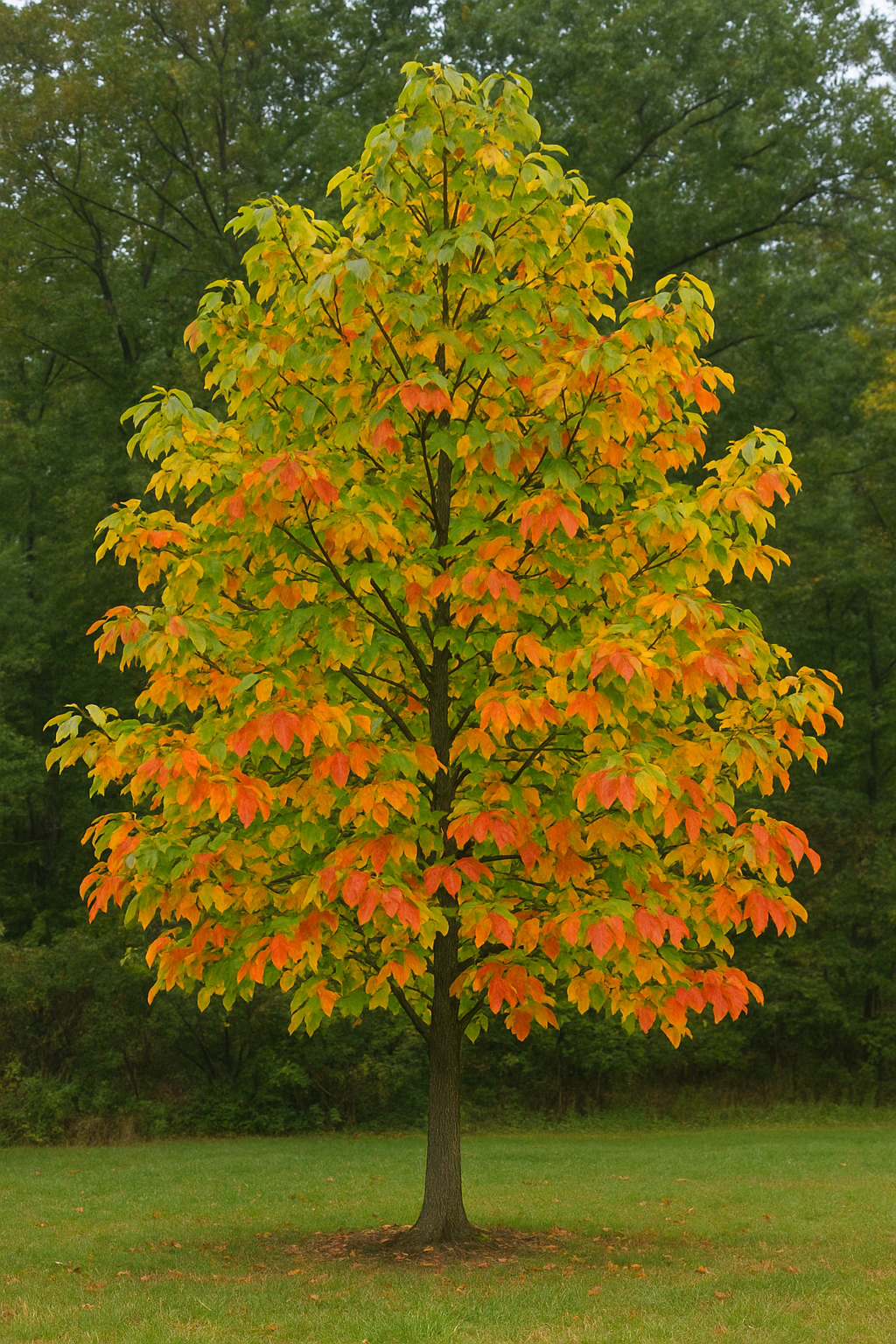
In addition to soil and drainage, sassafras trees also like to have as much sun as possible. While the species tolerates partial shade, it performs best in full sun to light shade. The more sun the tree gets, the fuller the canopy will be, and most importantly, the better the fall color display will be. Sassafras trees have some of the best fall foliage of any tree in the landscape. When autumn comes, the sassafras leaf transforms into a tapestry of oranges, golds, reds, and purples. It is hard to find a tree that can rival the autumn display of a sassafras tree. Each leaf is transformed into its own glowing ember of orange, whether it is shaped like a mitten or a rounded trident. Planting a native sassafras tree in your landscape will often be one of the first places to light up in fall. In fact, its fall color is so striking that a sassafras tree is an excellent addition to your property for anyone looking to boost their fall landscape.
How to plant Sassafras trees?
Planting sassafras is not difficult at all, but it helps to know how the tree grows in the wild. Sassafras trees in the wild often exhibit root suckering. This is great for homeowners who want to plant a sassafras, as the trees sometimes spread to create a beautiful grove. This can also be a consideration for gardeners who do not want their trees to spread this way. If this is a concern, the suckers can be cut back regularly, and the sassafras will create a single specimen trunk. It’s a benefit or not, depending on how you want the tree to grow, but either method has worked for many gardeners.
When choosing a location to plant sassafras, pick a spot with plenty of sun and good drainage. Dig the hole a bit wider than the root ball to encourage faster establishment. Sassafras trees can have deep root systems, so it is a good idea to choose a place where they will not have to be moved later. Water well during the first year to ensure roots get established, especially during long periods of drought. Once established, sassafras is very drought-tolerant and requires little maintenance. It is a good idea to mulch around the base of the tree to help regulate soil temperature and moisture, and to reduce weeds.
Another reason to buy a sassafras tree is that it offers interest year-round with minimal effort. In the springtime, sassafras trees will produce small clumps of yellow flowers that show up before the leaves are fully formed. The blooms are not showy but will be an important source of nectar for early pollinators that are out and about, once again making this tree a good native to have on the property. As the spring season continues, its canopy of mixed-shaped leaves provides a pleasant backdrop to other plantings or can be a nice standout feature all by itself.
Summer will bring a full canopy, great for cooling off or for dappled shade in outdoor areas. The fragrance of the leaves and twigs will add another layer of pleasure to the sassafras tree and is always a good feature in sensory gardens. In late summer, female trees begin to produce their berries, making a beautiful show against the foliage. The berries also quickly attract songbirds and are the reason many gardeners enjoy watching migratory birds stop in for a snack.
The Sassafras albidum has stunning fall folaige.
Autumn, of course, is the season that the sassafras tree really comes into its own. In fall, sassafras foliage is the stuff of legends. Each tree is transformed into a heady mixture of fire-like hues, often including gold, tangerine, scarlet, and deep plum. Because of the different leaf shapes, sunlight will catch the leaves in different ways, making the tree appear to glow from within. In fact, properties with sassafras trees often look lit up earlier than other landscapes in the fall, which makes them a showstopper.
Winter is another season that the sassafras tree has something to offer. The smooth bark that gives off its aroma and the gracefully arching branches are interesting enough in their own right, especially when frost or snow accentuates the tree’s form. This is another reason that the sassafras tree is an excellent investment for any garden.
Sassafras trees are also important for their historical significance. Native American tribes used various parts of the sassafras tree for hundreds of years before the first European settlers arrived in North America. Many of these uses were then adopted by early explorers and settlers, and in fact, sassafras was one of the very first American exports to Europe. Though many of these usages are not common in contemporary cookery or drinks, their historical impact remains important and relevant to the country's culture.
Today, the sassafras tree is a very good choice for modern homeowners. It is a reminder of America’s past, a support for modern ecosystems, and a beautiful tree for the future of the landscape. Buying native plants is so very important, and sassafras is an example of a tree that is both ecologically friendly and attractive.
Buying a sassafras tree is an excellent idea for gardeners and homeowners looking for a resilient, low-maintenance, wildlife-friendly, and seasonally stunning tree. It is adaptable to many conditions and landscapes, grows at a good rate without becoming a monster, and provides beauty year-round. The sassafras tree can be planted as a specimen, grown in a naturalized grove, or used to edge existing woodland, but in any case, it always adds character and color to any landscape.
The sassafras tree is more than just a garden plant. Its odd leaves, glowing fall color, and ability to support the local ecosystem make it a fitting centerpiece for any garden, large or small. If you are looking to enhance your property with a tree that offers charm, resiliency, fragrance, and absolutely unforgettable autumnal color, the sassafras tree is an excellent choice and a deeply rewarding addition to your landscape.