


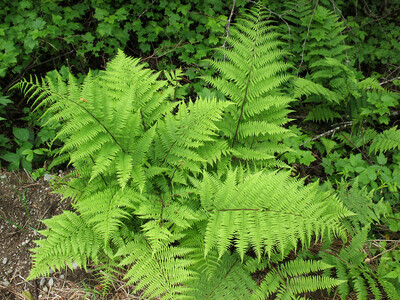
 Native Ferns
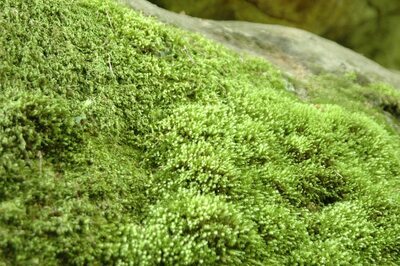 Native Mosses
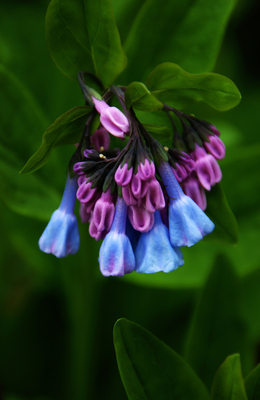 Native Perennials
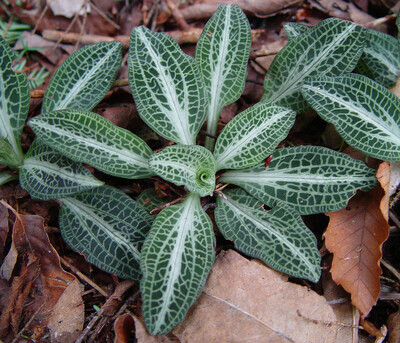 Native Ground Covers
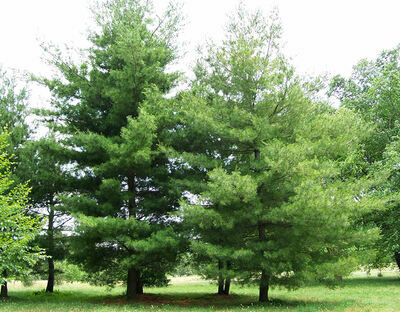 Native Trees
 Shop By Zone
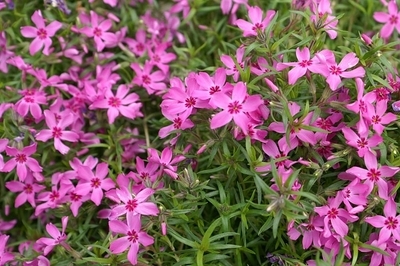 Flowering Groundcovers
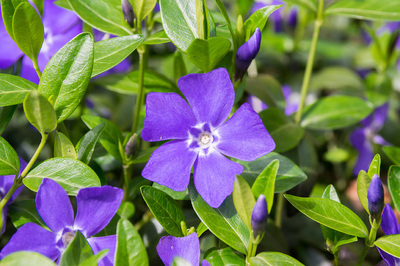 Evergreen Groundcovers
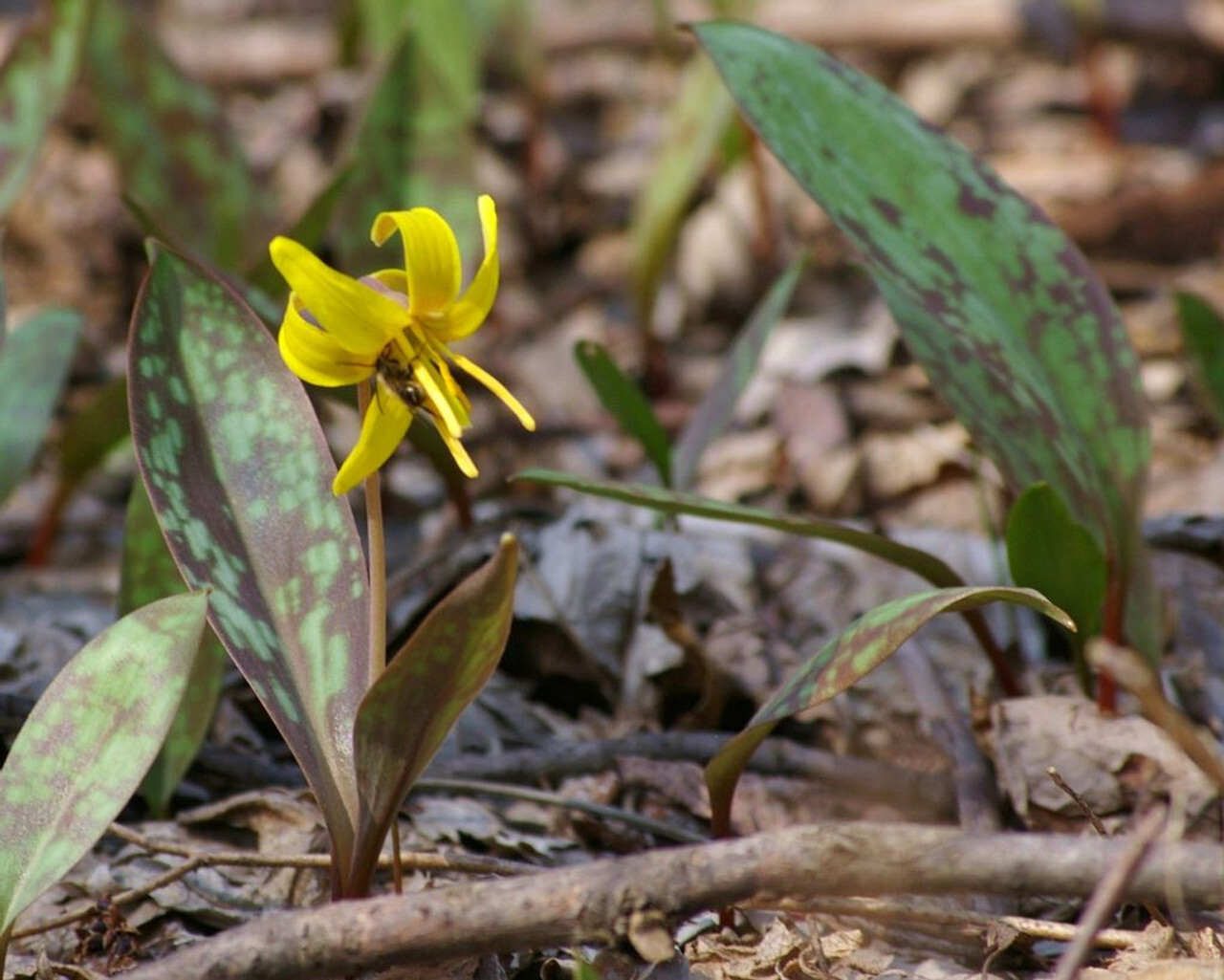 Spring Ephemerals
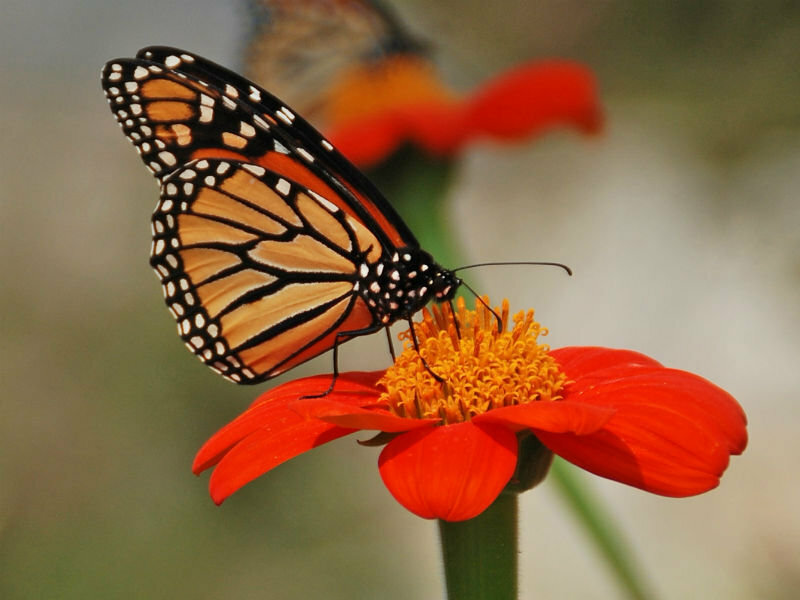 Pollinators
 Shop Bloom Color
 Perennials By Zone
 Medicinal Herb Plants
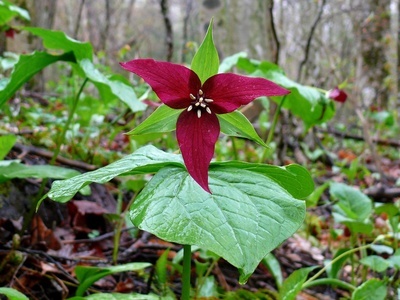 Trillium
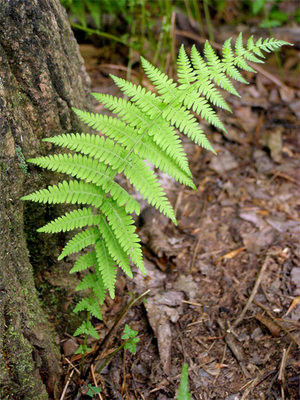 Ferns for Zone 3
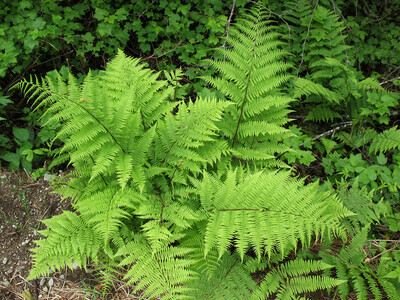 Ferns for Zone 4
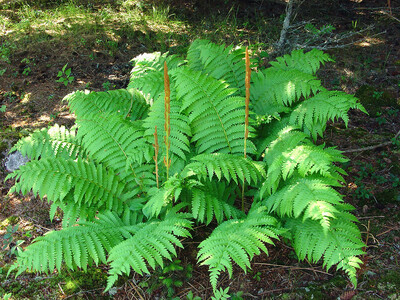 Ferns for Zone 5
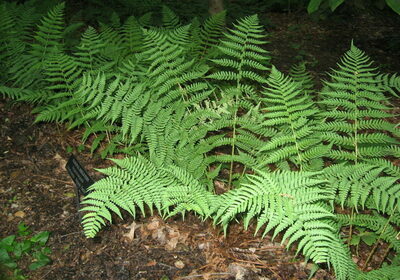 Ferns for Zone 6
 Ferns for Zone 7
 Ferns for Zone 8
 Christmas bows
 Fresh Wreaths
 Garlands
 Large Pine Cones
 Live Mistletoe
 Shop Trees By Zone
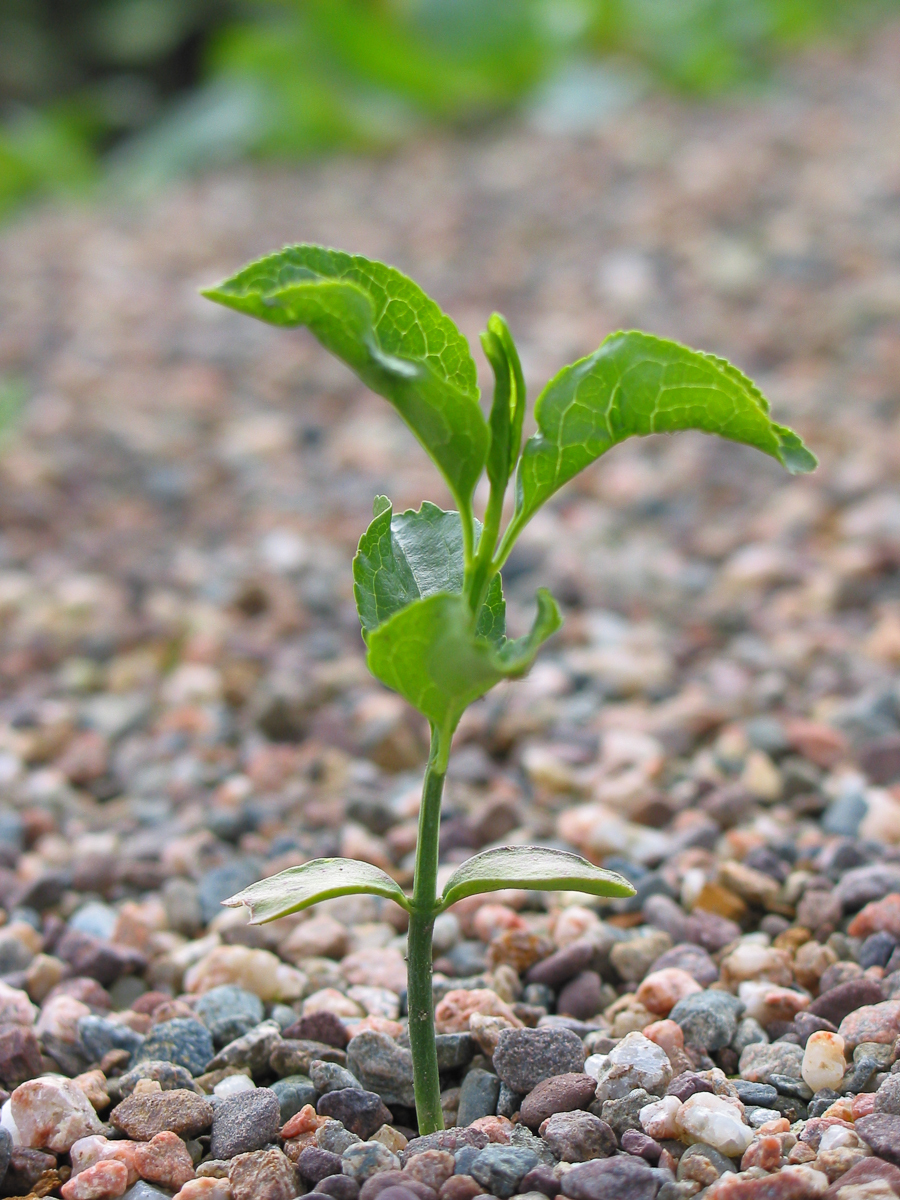 Tree Seedlings
 Fast Growing Trees
 Pine Trees
 Evergreens
Native Plant Gardening Guides
Welcome to the Native Wildflowers Nursery gardening guide library. These resources are designed to help gardeners successfully grow native wildflowers, woodland perennials, and shade-loving plants.
Native plants bring beauty, resilience, and ecological benefits to gardens. Because they evolved in established ecosystems, they often require less maintenance while providing essential habitat for pollinators, birds, and beneficial insects.
Whether you are creating a woodland garden, restoring native habitat, or adding plants beneath mature trees, these guides will help you choose and grow plants that thrive in natural landscapes.
Why Garden With Native Plants
Native plants are uniquely suited to the environments where they naturally occur. Unlike many ornamental species, native plants support local wildlife and contribute to healthy ecosystems.
Benefits of planting native species include:
• Supporting native bees and pollinators
• Providing habitat for beneficial insects and birds
• Requiring less fertilizer and maintenance
• Improving biodiversity in garden landscapes
• Preserving regional plant heritage
By incorporating native plants into your garden, you help restore pieces of the natural ecosystem while enjoying beautiful seasonal displays.
Here is how to choose the best Native Plants for Tennessee
Woodland Garden Basics
Many native wildflowers grow naturally in woodland settings. If your garden includes shaded areas beneath trees or along wooded edges, these environments are perfect for native woodland plants.
To create a successful woodland garden:
Light: Most woodland plants prefer partial shade or filtered sunlight.
Soil: Rich soil containing organic matter such as leaf compost or forest humus.
Moisture: Consistently moist soil during spring when many plants are actively growing.
Allow fallen leaves to remain in garden beds whenever possible. Leaf litter helps recreate natural woodland soil conditions.
Understanding Spring Wildflowers
Many woodland plants bloom very early in the season before tree leaves fully develop. These plants are often called spring ephemerals because they emerge, bloom, and go dormant within a relatively short period.
This life cycle allows the plants to take advantage of early sunlight on the forest floor.
After flowering, the foliage gradually disappears as the plant stores energy underground until the following spring.
Examples of native spring wildflowers include trillium, bloodroot, Virginia bluebells, and mayapple.
Planting Native Wildflowers
Native plants establish best when planted in conditions similar to their natural habitats.
Helpful planting tips:
• Loosen soil before planting to encourage root growth
• Incorporate compost or organic matter when needed
• Water thoroughly after planting
• Mulch lightly with shredded leaves or natural mulch
Many woodland plants spread slowly through underground rhizomes or seeds, gradually forming natural colonies over time.
Supporting Pollinators
Native plants play a vital role in supporting pollinators. Many insects rely on specific native plants for nectar, pollen, or habitat.
Early spring flowers are especially important because they provide food sources for bees emerging after winter.
By planting a variety of native species that bloom throughout the season, gardeners can create landscapes that support pollinators from spring through fall.
Gardening Resources
Our gardening guides will continue to grow as we add new resources covering topics such as:
• How to grow trillium
• Planting woodland wildflowers
• Native plants for shade gardens
• Native plants for pollinators
• Creating natural woodland landscapes
These guides are designed to help both beginner and experienced gardeners successfully grow native plants.
Plants Grown at Native Wildflowers Nursery
Native Wildflowers Nursery specializes in native woodland plants and wildflowers that thrive in natural landscapes.
Our nursery offers many plants commonly found in woodland ecosystems including trillium, bloodroot, ferns, wild ginger, and other shade garden favorites.
We carefully care for and ship our plants so gardeners across the country can enjoy native species in their own landscapes.
Explore our plant collections to find native wildflowers suited to your garden.