


 Native Ferns
 Native Mosses
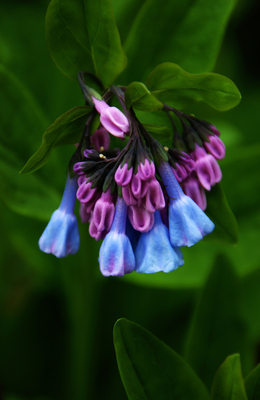 Native Perennials
 Native Ground Covers
 Native Trees
 Shop By Zone
 Flowering Groundcovers
 Evergreen Groundcovers
 Spring Ephemerals
 Pollinators
 Shop Bloom Color
 Perennials By Zone
 Medicinal Herb Plants
 Trillium
 Ferns for Zone 3
 Ferns for Zone 4
 Ferns for Zone 5
 Ferns for Zone 6
 Ferns for Zone 7
 Ferns for Zone 8
 Christmas bows
 Fresh Wreaths
 Garlands
 Large Pine Cones
 Live Mistletoe
 Shop Trees By Zone
 Tree Seedlings
 Fast Growing Trees
 Pine Trees
 Evergreens
Trillium Growing Guide: How to Grow Beautiful Native Trilliums
Trilliums are some of the most beautiful native wildflowers you can grow. Their elegant flowers, unique leaves, and long life make them a favorite for woodland gardens. Every spring, trilliums bring color and beauty to shady landscapes while providing an early source of food for pollinators.
Although trilliums have a reputation for being slow growers, they are actually easy to care for once they are planted in the right location. With a little patience, these native woodland plants can thrive for decades and become one of the highlights of your spring garden.
What Is a Trillium?
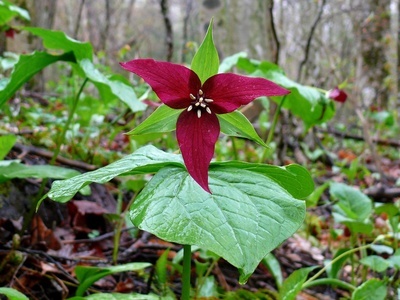
Trilliums are native perennial wildflowers that grow naturally in forests throughout much of eastern North America. Their name comes from the number three. Most trilliums have:
- Three leaves
- Three petals
- Three sepals
This simple pattern makes them easy to recognize.
Depending on the variety, trillium flowers may be white, red, yellow, pink, or deep purple. Many species bloom in early to mid-spring before the trees are fully covered with leaves.
Where Do Trilliums Grow Naturally?
In the wild, trilliums grow beneath mature hardwood trees where they receive filtered sunlight during spring and cool shade throughout the summer.
They are commonly found growing under:
- Oak trees
- Maple trees
- Beech trees
- Hickory trees
- Tulip Poplar trees
These forests provide the rich soil and moisture that trilliums need to thrive.
Best Growing Conditions
Trilliums grow best when their garden conditions are similar to those of a natural woodland.
For the healthiest plants, provide:
- Partial to full shade
- Rich soil with plenty of organic matter
- Moist but well-drained soil
- Protection from hot afternoon sun
Woodland gardens are the perfect place to grow trilliums.
When to Plant Trilliums
The best time to plant trilliums is while they are dormant, usually from fall through early spring.
Bare root rhizomes should be planted as soon as possible after they arrive.
Container-grown trilliums can be planted throughout the growing season if they receive enough water.
How to Plant Trilliums
Planting trilliums is simple.
- Dig a hole 3 in. deep.
- Place the rhizome horizontally with the growing bud facing upward.
- Cover it with 1 inch of soil.
- Water thoroughly after planting.
Space the plants about 12 inches apart so they have room to grow over time.
Adding compost or leaf mold before planting helps create the woodland soil trilliums love.
Watering Trilliums
Newly planted trilliums should be watered regularly during their first growing season.
The soil should stay moist but never overly wet.
Once established, trilliums usually need very little supplemental watering except during long periods of drought.
A layer of shredded leaves or natural mulch helps keep the soil cool and moist.
Do Trilliums Need Fertilizer?
Most trilliums do not need commercial fertilizer.
Instead, spread a thin layer of compost or allow fallen leaves to remain around the plants each fall.
As the leaves break down, they naturally return nutrients to the soil just like they do in the forest.
Why Do Trilliums Grow Slowly?
Trilliums are naturally slow-growing plants.
In the wild, they spend years developing strong root systems before producing large flowers.
Although this requires patience, healthy trilliums often live for decades and become more impressive each year.
Once established, they require very little maintenance.
Companion Plants for Trilliums
Trilliums look beautiful when planted with other native woodland plants that enjoy similar growing conditions.
Some excellent companions include:
- Bloodroot
- Virginia Bluebells
- Wild Ginger
- Christmas Fern
- Foamflower
- Jack-in-the-Pulpit
- Dutchman's Breeches
- Solomon's Seal
Together, these plants create a colorful woodland garden that changes throughout the spring and summer.
Common Trillium Problems
Trilliums are generally easy to grow, but a few common problems can affect their growth.
Leaves Turn Brown Too Early
This is often caused by too much direct sunlight or dry soil.
Move plants to a shadier location if possible and keep the soil evenly moist during spring.
No Flowers
Young trilliums sometimes produce leaves for several years before flowering.
Poor soil, deep shade, or recent transplanting can also delay blooming.
Deer Damage
Deer may browse trillium leaves and flowers, especially in early spring when food is limited.
If deer are common in your area, consider using temporary fencing or repellents to protect new growth.
Do Trilliums Spread?
Yes, but very slowly.
Most trilliums spread by underground rhizomes and by seed over many years.
With patience, a few plants can eventually become a beautiful colony in the woodland garden.
Frequently Asked Questions
Do trilliums come back every year?
Yes. Trilliums are long-lived native perennials that return every spring.
How long do trilliums live?
Healthy trilliums can live for several decades when planted in the right conditions.
Can trilliums grow in full sun?
Trilliums prefer partial to full shade. Too much direct afternoon sun can damage the leaves and shorten the blooming period.
Are trilliums easy to grow?
Yes. Once planted in rich woodland soil with adequate shade and moisture, trilliums require very little maintenance.
Can I grow trilliums in my yard?
Absolutely. If your landscape has mature trees or a shaded garden with rich soil, trilliums can thrive for many years.
Trilliums are among the most treasured native wildflowers in North America. Their graceful flowers, unique three-leaf pattern, and long life make them a wonderful addition to woodland gardens and shaded landscapes.
By planting trilliums in rich, moist soil with plenty of shade, you can enjoy beautiful spring blooms year after year. Pair them with other native woodland plants like Bloodroot, Virginia Bluebells, Christmas Fern, and Wild Ginger to create a natural landscape that supports pollinators and reflects the beauty of the forest.
With a little patience and the right growing conditions, trilliums will reward you with decades of springtime beauty.