

 Native Ferns
 Native Mosses
 Native Perennials
 Native Ground Covers
 Native Trees
 Shop By Zone
 Flowering Groundcovers
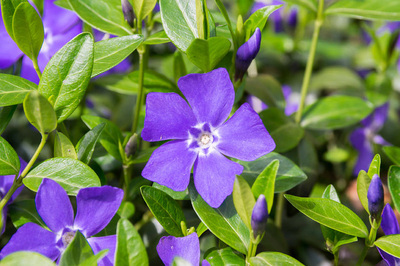 Evergreen Groundcovers
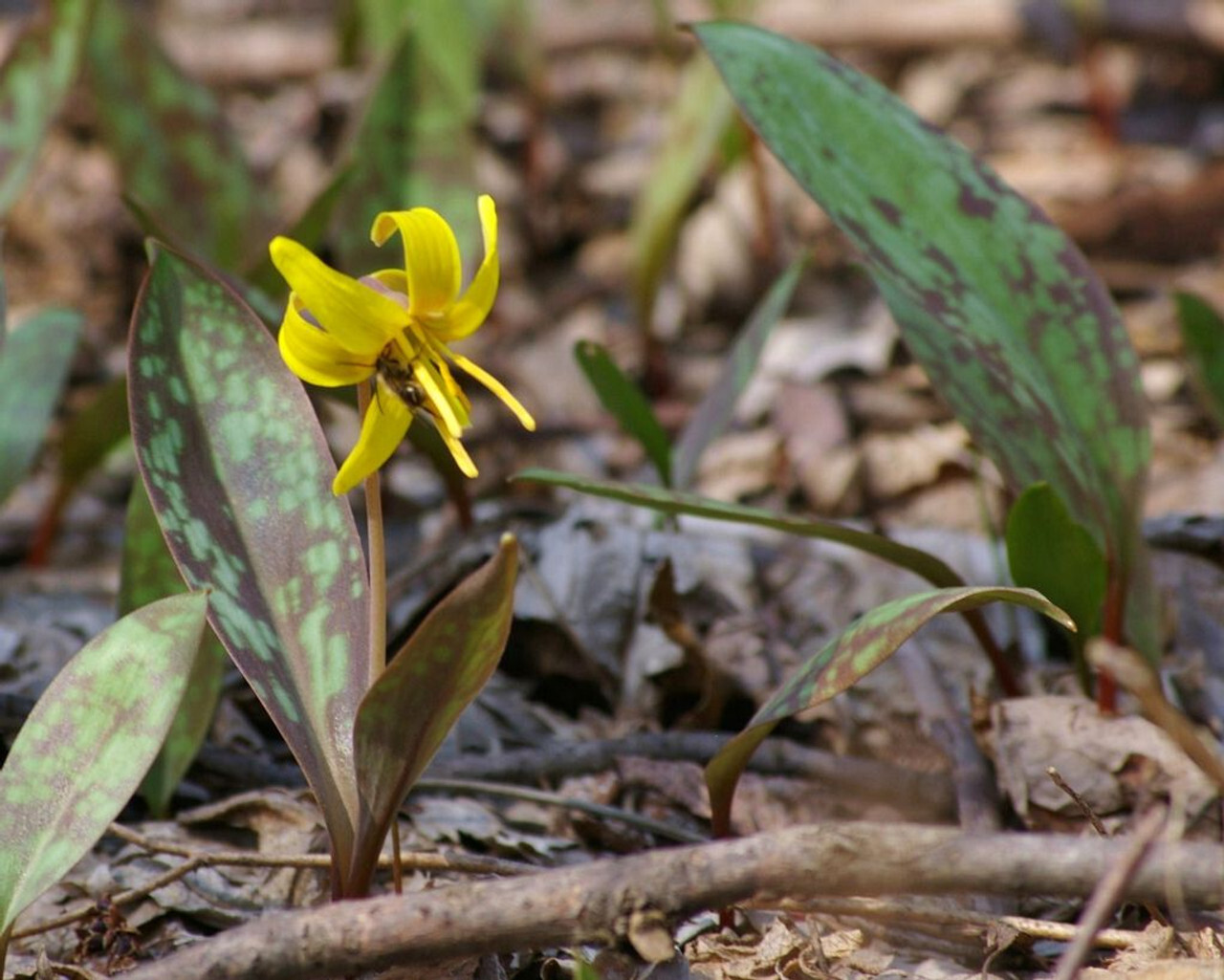 Spring Ephemerals
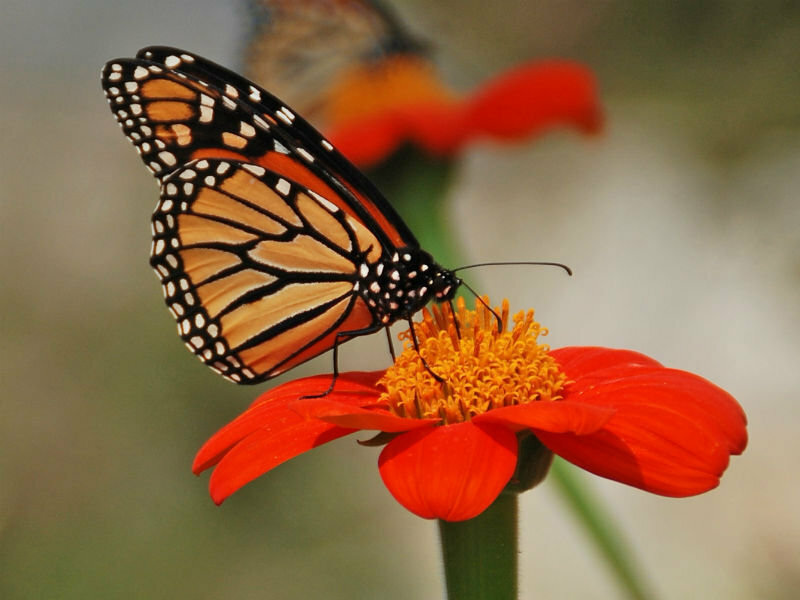 Pollinators
 Shop Bloom Color
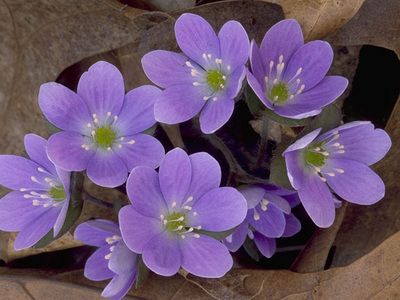 Perennials By Zone
 Medicinal Herb Plants
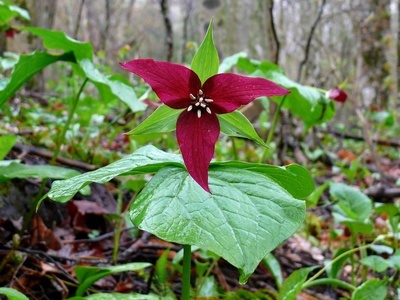 Trillium
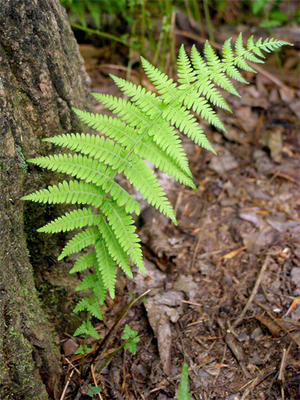 Ferns for Zone 3
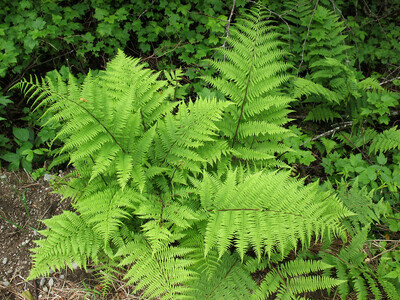 Ferns for Zone 4
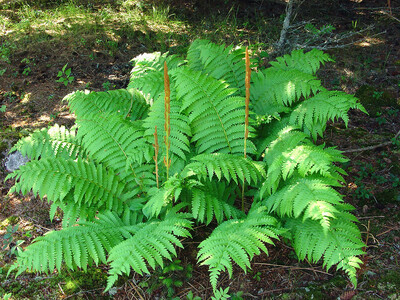 Ferns for Zone 5
 Ferns for Zone 6
 Ferns for Zone 7
 Ferns for Zone 8
 Christmas bows
 Fresh Wreaths
 Garlands
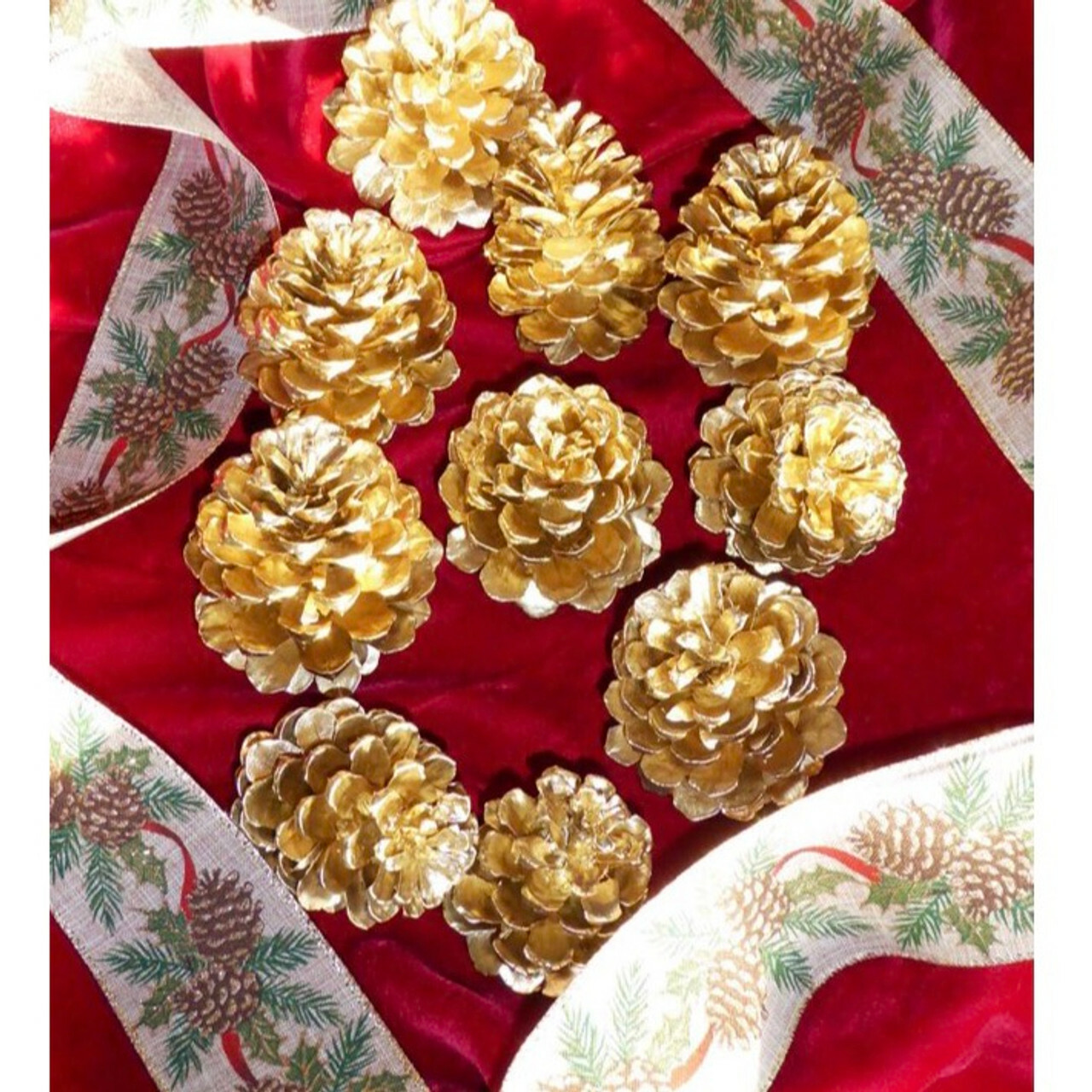 Large Pine Cones
 Live Mistletoe
 Shop Trees By Zone
 Tree Seedlings
 Fast Growing Trees
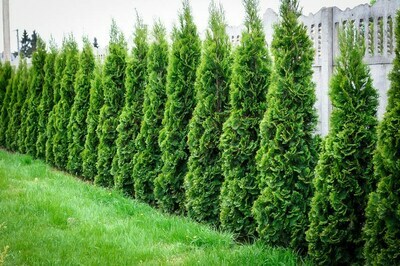 Pine Trees
 Evergreens
Step-by-step planting instructions
1. Choose the right location
Before planting, check the growing requirements for your particular native plant.
-
Woodland plants generally prefer partial to full shade.
2. Prepare the soil
-
Loosen the soil approximately 6–8 inches deep.
-
Remove weeds, grass, and competing roots.
-
Add compost if needed to improve soil structure.
-
Avoid excessive fertilizer.
3. Plant the bare root rhizomes
-
Dig a hole wide enough to spread the roots naturally.
-
Position the rhizome according to the plant's specific planting requirements.
-
Generally, rhizomes should be planted horizontally with growing buds facing upward.
-
Cover with soil at the recommended depth.
-
Gently firm the soil around the planting.
Important: Not all native plants have the same planting requirements. Some rhizomes should be shallowly planted, while others need deeper placement.
4. Water thoroughly
Water immediately after planting to settle the soil around the roots.
Keep the soil consistently moist during establishment, but avoid waterlogged conditions.
5. Add a light layer of mulch
Apply approximately 1–2 inches of natural mulch, such as shredded leaves or leaf compost, around the planting area. This helps retain moisture and mimics natural woodland conditions. (Optional)
6. Be patient!
Many native plants are naturally dormant during fall and winter. Some may not produce visible growth until spring.
Don't assume a dormant bare root plant is dead simply because you don't see immediate growth.
When is the best time to plant?
|
Season |
Planting advice |
|---|---|
|
Fall |
Excellent for many native perennials and woodland species |
|
Winter |
Suitable when the ground is workable and not frozen |
|
Early spring |
Excellent time for many bare root plants |
|
Summer |
More challenging due to heat and moisture stress |