

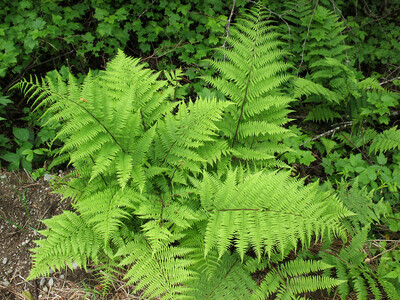
 Native Ferns
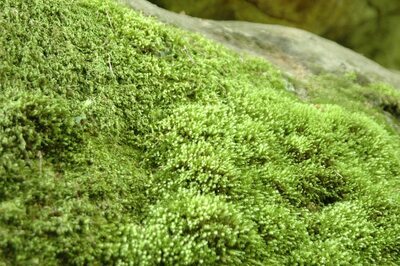 Native Mosses
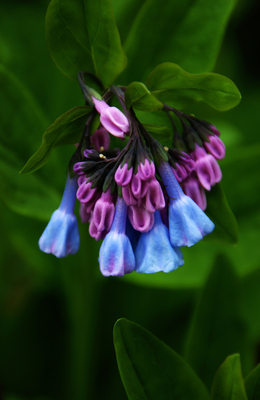 Native Perennials
 Native Ground Covers
 Native Trees
 Shop By Zone
 Flowering Groundcovers
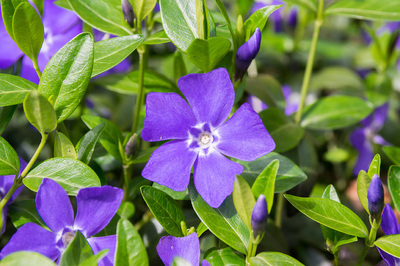 Evergreen Groundcovers
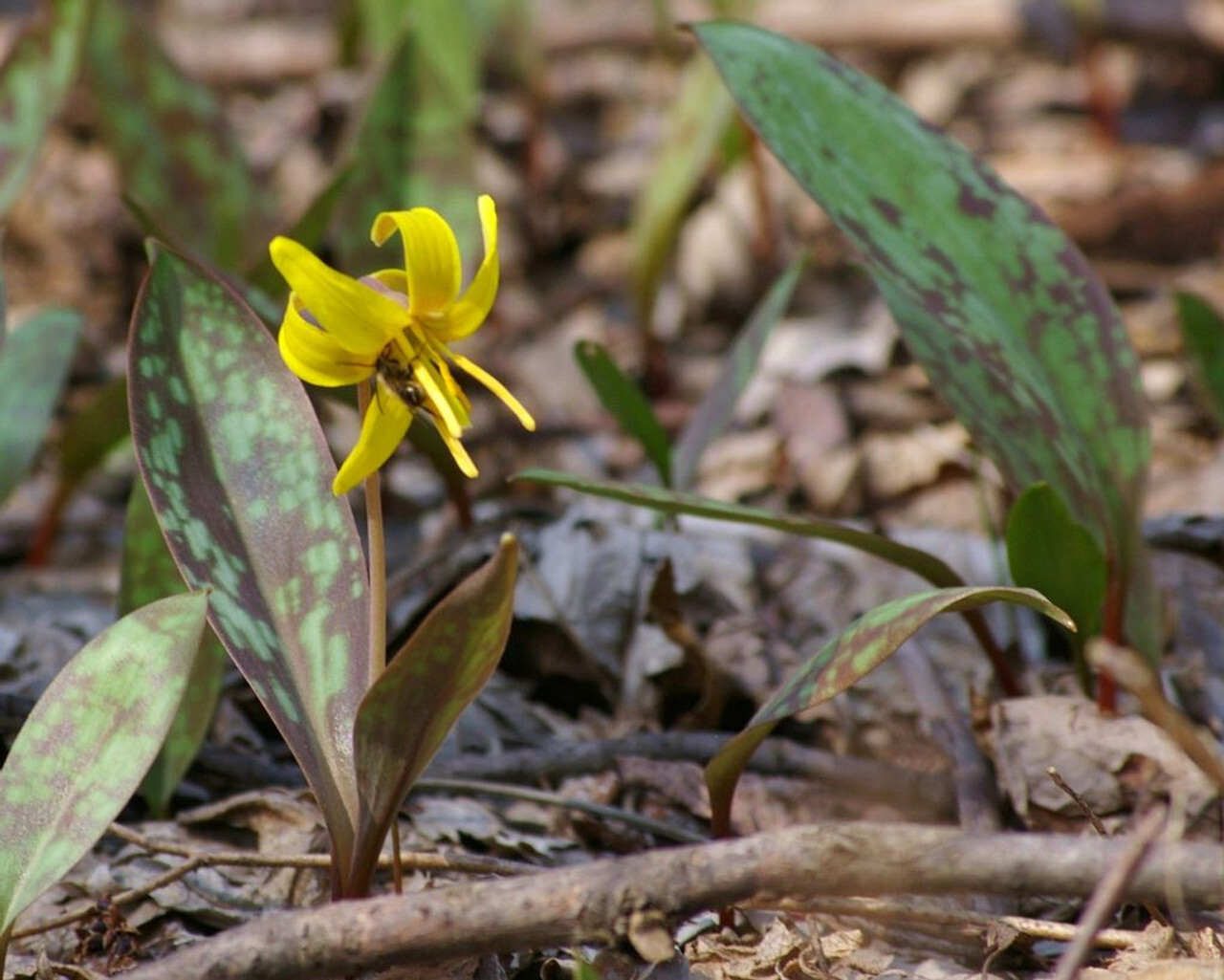 Spring Ephemerals
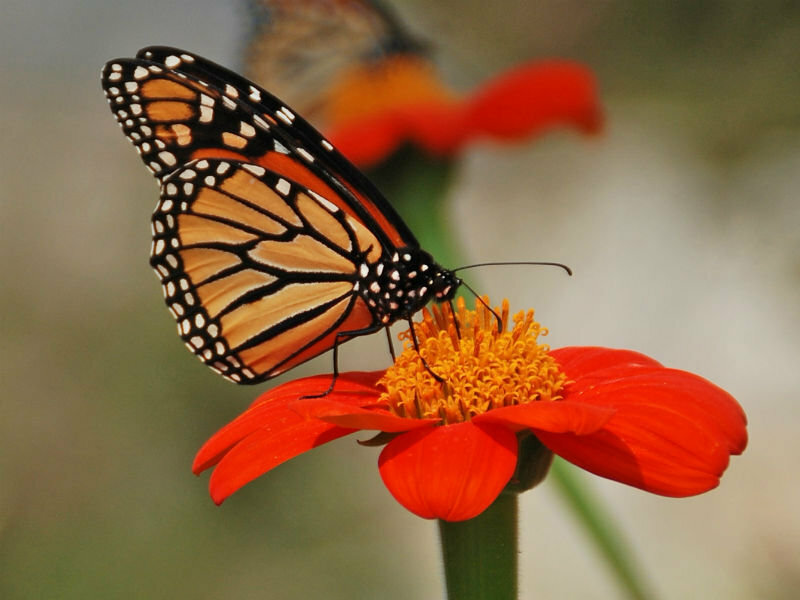 Pollinators
 Shop Bloom Color
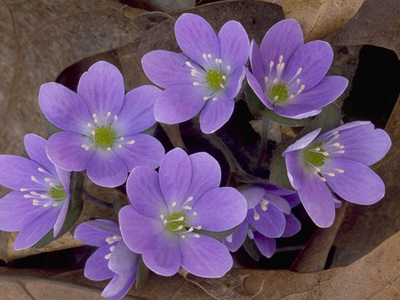 Perennials By Zone
 Medicinal Herb Plants
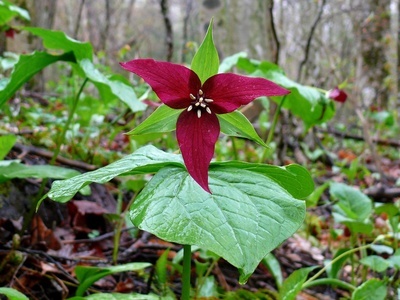 Trillium
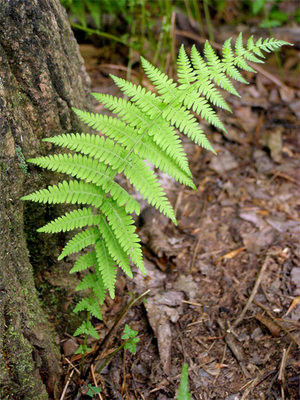 Ferns for Zone 3
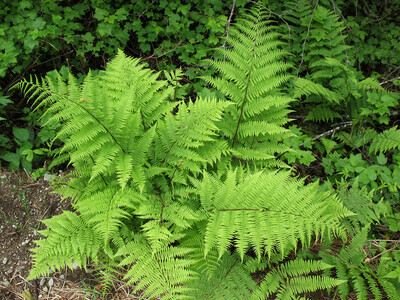 Ferns for Zone 4
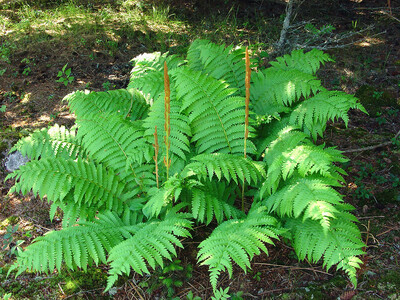 Ferns for Zone 5
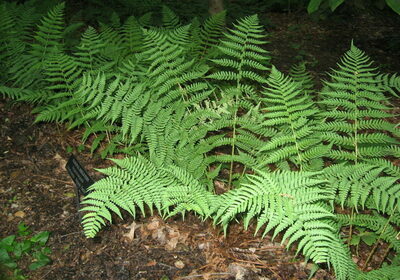 Ferns for Zone 6
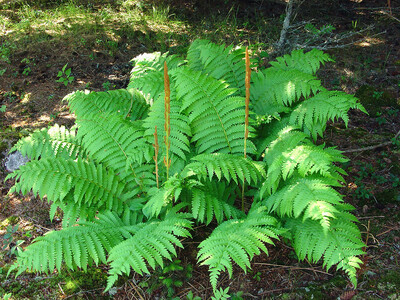 Ferns for Zone 7
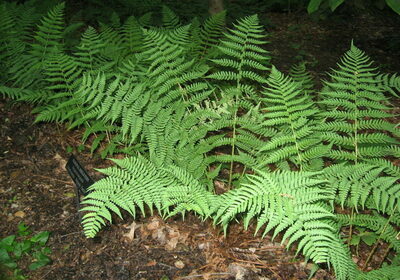 Ferns for Zone 8
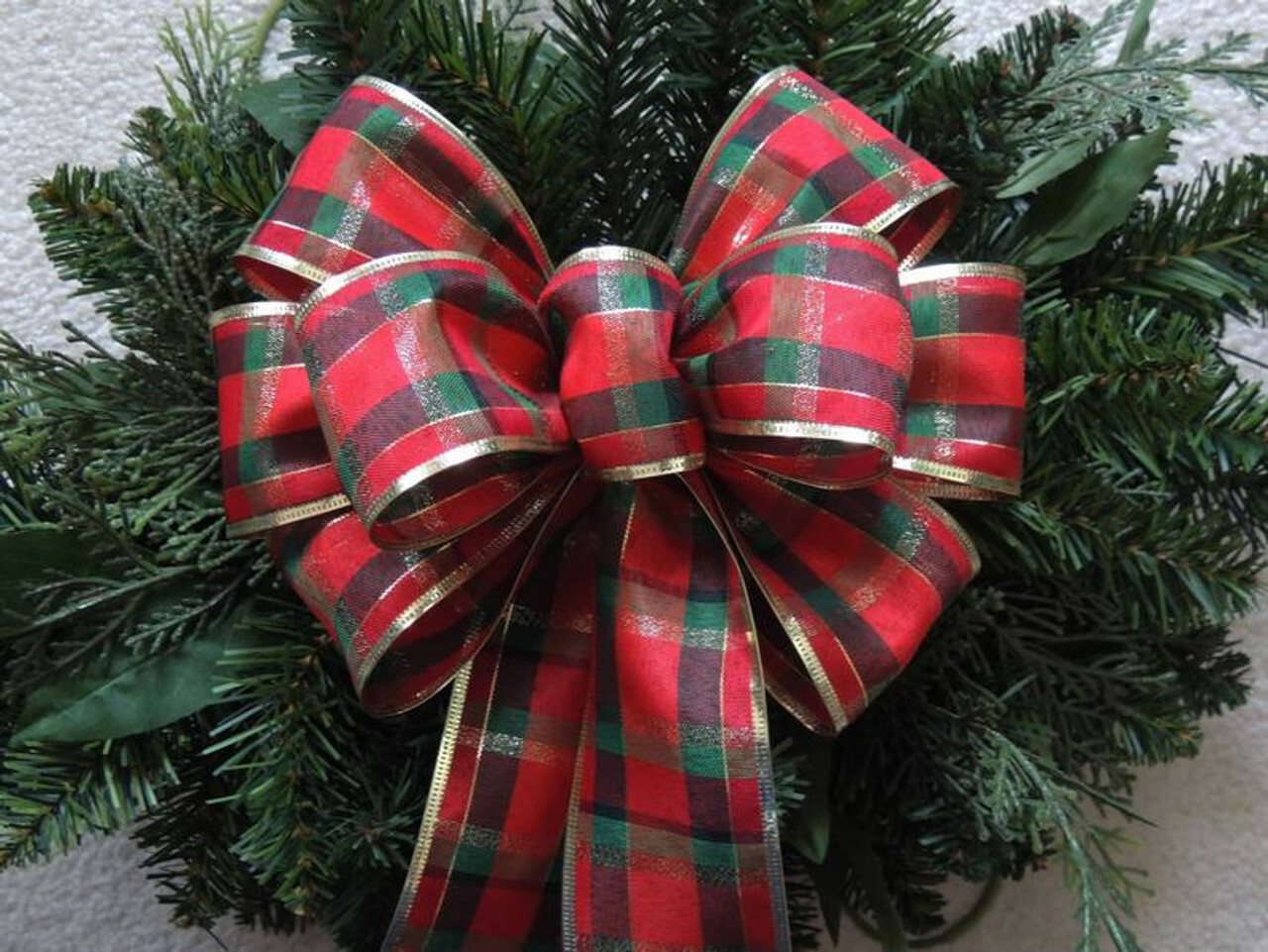 Christmas bows
 Fresh Wreaths
 Garlands
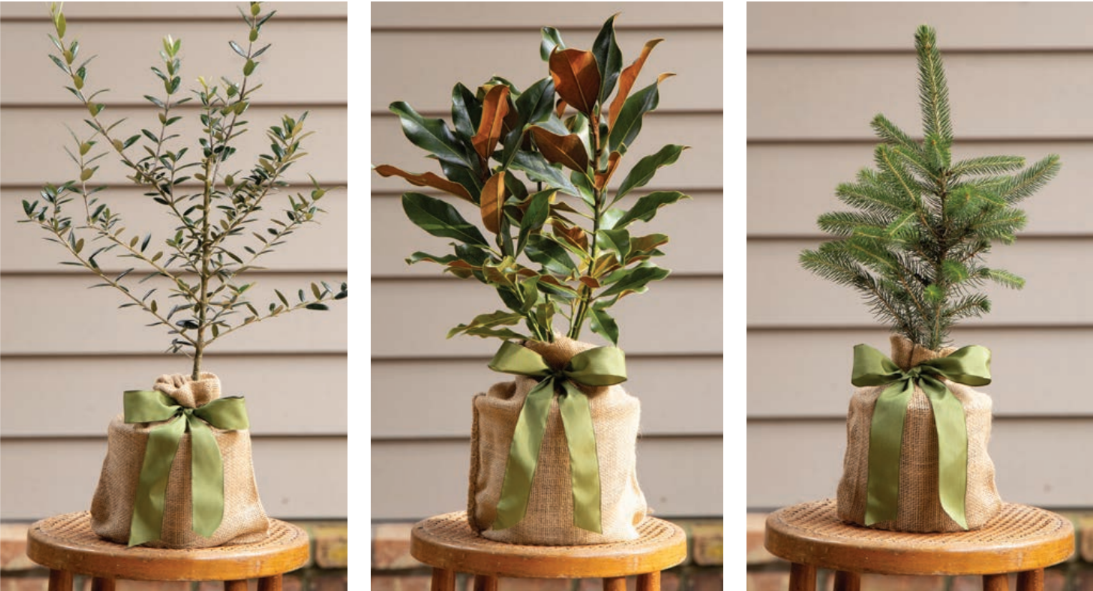 Holiday Gift Trees
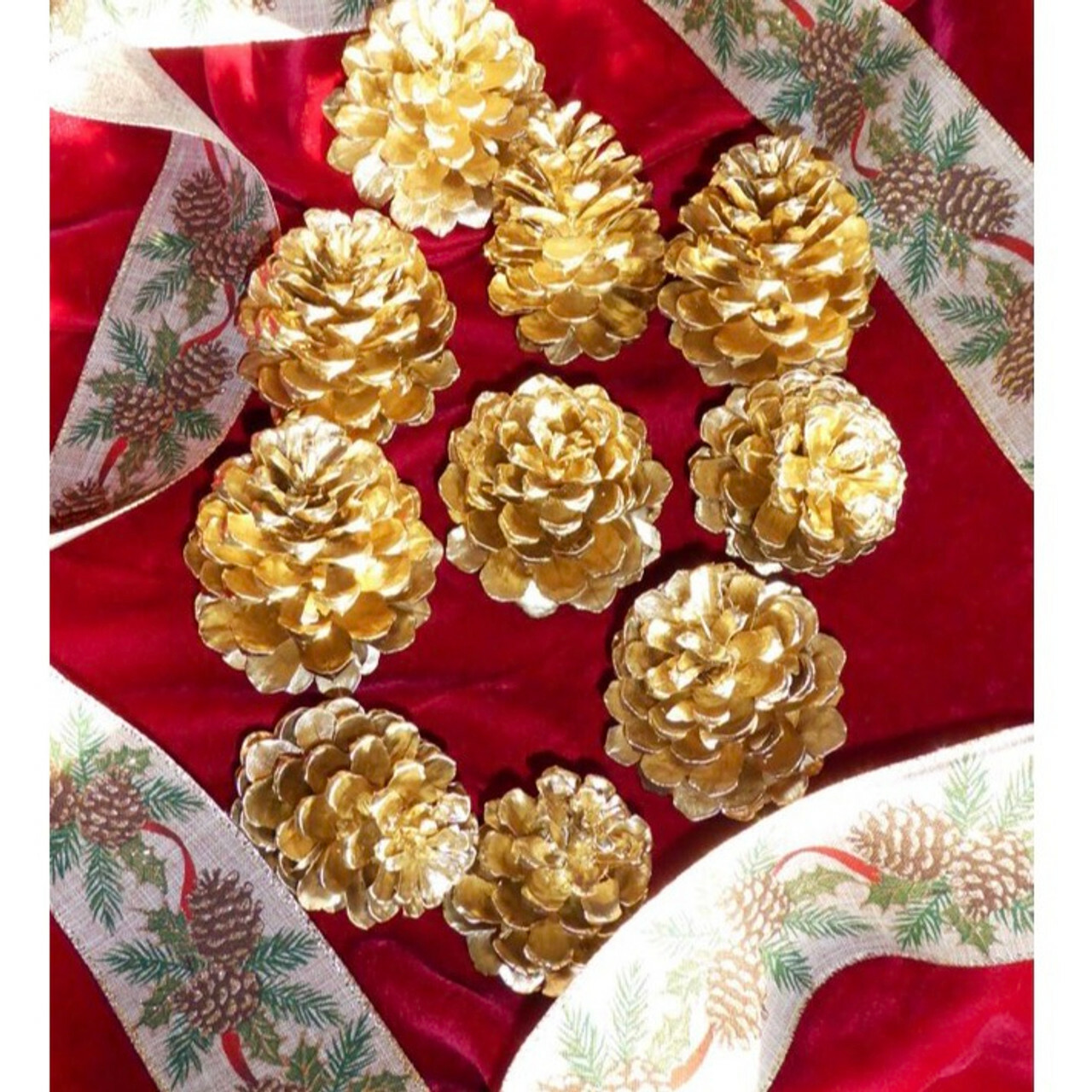 Large Pine Cones
 Live Mistletoe
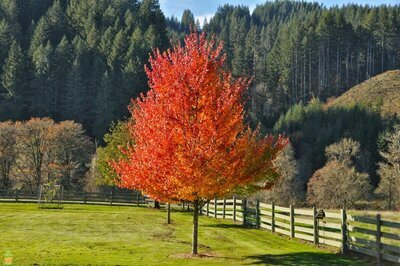 Shop Trees By Zone
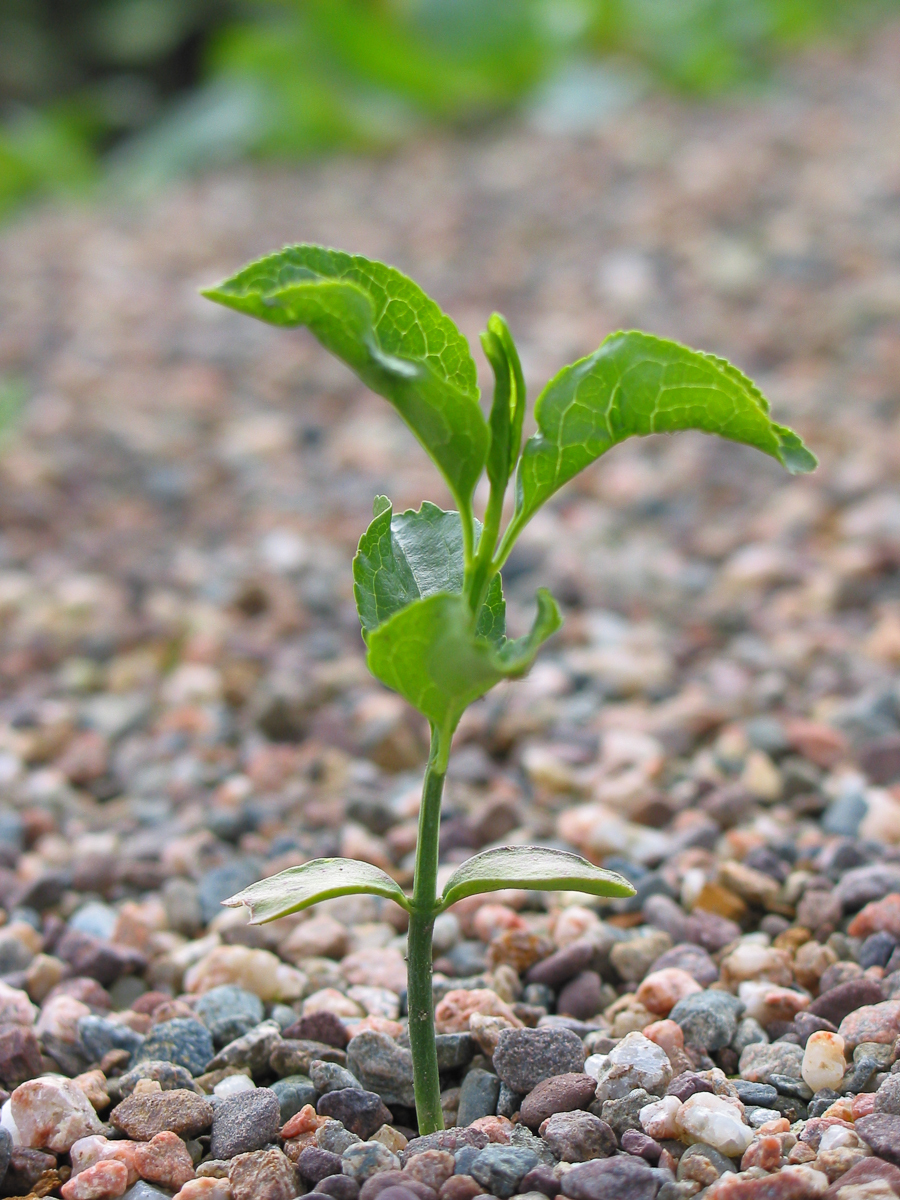 Tree Seedlings
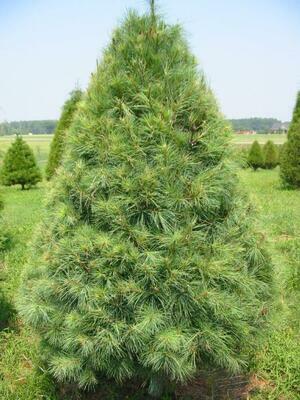 Fast Growing Trees
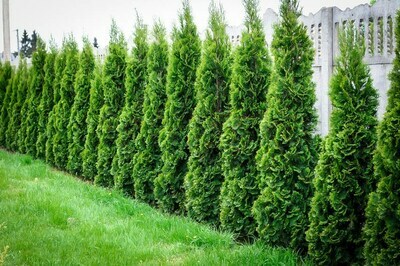 Pine Trees
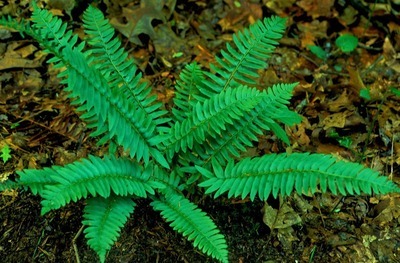 Evergreens
Pollinators
Why Choose Native Pollinator Plants?
- Provide nectar and pollen for bees and butterflies
- Support hummingbirds and beneficial insects
- Require less water and maintenance once established
- Help restore natural ecosystems
- Bloom throughout the growing season
Build a Garden That Blooms All Season
The best pollinator gardens include a variety of plants that bloom from early spring through late fall. This ensures pollinators always have a reliable food source.
- Spring: Virginia Bluebells, Bloodroot
- Summer: Coneflowers, Milkweed, Bee Balm
- Fall: Asters, Goldenrod
Help Save Pollinators
Pollinator populations are declining due to habitat loss and pesticides. By planting native pollinator plants, you are creating a safe haven for these essential species right in your own yard.
Every plant you grow makes a difference.
FAQ
❓ What are pollinator plants?
Pollinator plants are flowers that provide nectar and pollen for bees, butterflies, hummingbirds, and other beneficial insects.
❓ Why are native plants better for pollinators?
Native plants have evolved alongside local pollinators, making them the most reliable and nutritious food sources.
❓ When should I plant pollinator plants?
Most pollinator plants can be planted in spring or fall, depending on your climate and growing zone.